Leading University Creating Innovation for Sustainable Future

Goal 2: End hunger, achieve food security and improved nutrition and promote sustainable agriculture
Collaborative Community Food Security and Data-Driven Elderly Care:
The Siam University–Phasi Charoen District Partnership
https://siam.edu/siam-university-elderly-database-phasi-charoen-2026/
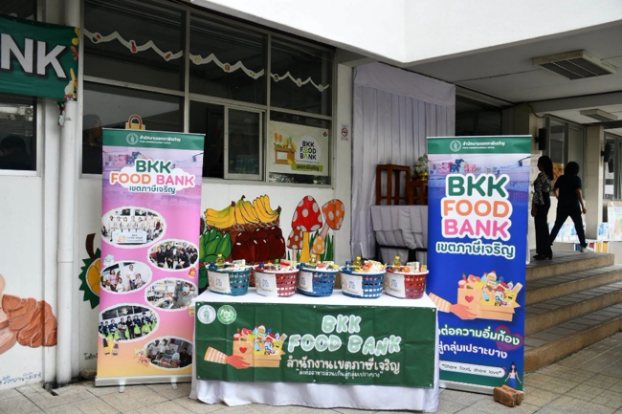
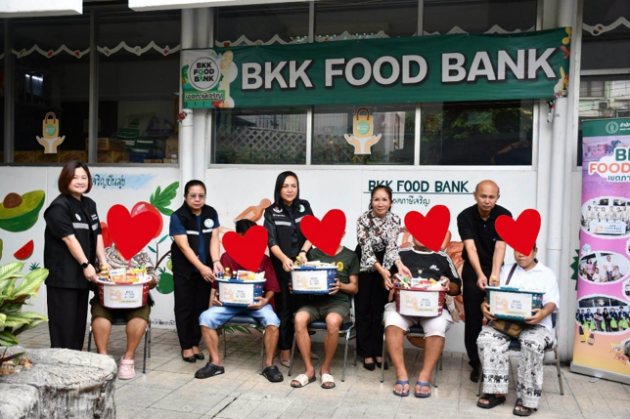
Siam University and the Phasi Charoen District Office have partnered under the Bangkok Metropolitan Administration’s (BMA) BKK Food Bank initiative to redistribute rice, dry foods, and essential consumer goods to vulnerable and low-income populations in the district. Within this framework, the university serves as a collection and distribution point for surplus food and essential supplies, ensuring that donations reach vulnerable groups in a tangible and systematic manner.
Since early 2025, Siam University, in cooperation with the Phasi Charoen District Office and its district-level collaborative network (led by President Pornchai Mongkhonvanit in the capacity of Chairman of the Steering Committee for Participatory Development of Phasi Charoen District), has implemented the SIAM BKK Food Bank project, framed as “a food bank for a city of sharing.” By September 2026, the project was distributing food to vulnerable residents of Phasi Charoen on an ongoing basis, with cumulative distributions targeted at, or reaching, several thousand meals in accordance with BMA policy.
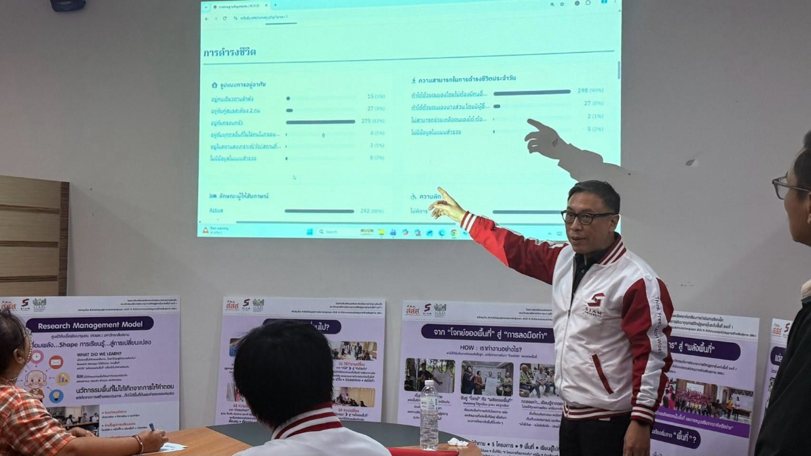
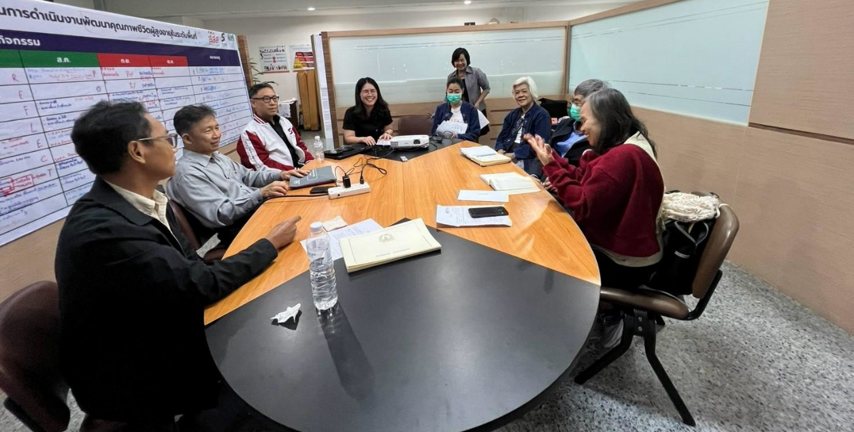
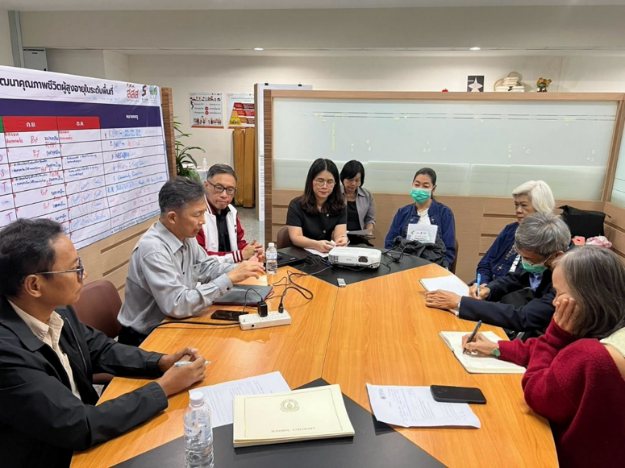
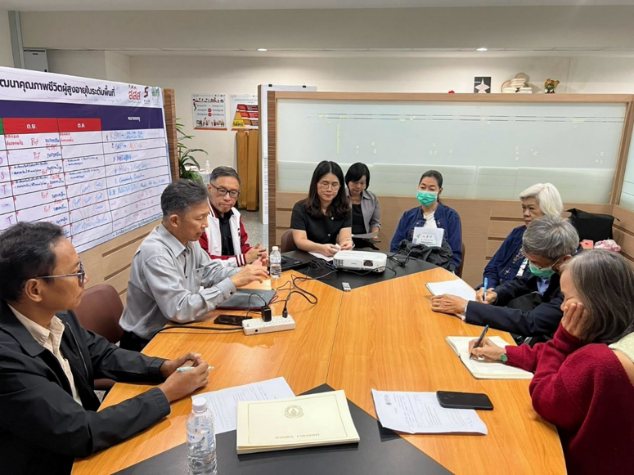
Complementing these food security efforts, the university’s Research Center for Community Development (RCFCD) launched a pilot initiative on 28 September 2026 in two Phasi Charoen communities, the Sirin and Friends Community and the Phun Bamphen Community, to develop a digital database for the care of older adults and other vulnerable groups. The initiative reflects a data-driven approach to community development, aiming to strengthen local care mechanisms for these populations in a systematic and sustainable manner.
The development of this elderly-care database represents a significant step in grassroots social development. The RCFCD worked with community working groups to analyze local needs and design a data collection system that reflects the actual conditions of the area. The system is intended to deliver three principal benefits:
•
Precise identification of target groups. The database enables community workers to screen residents, categorize their needs, and comprehensively identify older adults as well as homebound and bedridden patients.
•
Targeted resource allocation. The data informs the planning of activities, welfare provision, and medical and public health assistance, ensuring that support reaches vulnerable groups appropriately.
•
Systematic coordination. The system is designed for practical, everyday use by the community, allowing community committee members and volunteers to update records and use them immediately in coordination with external agencies.
Food Safety at Siam University
https://webportal.bangkok.go.th/phasicharoen/page/sub/15632/-/6/info/539679
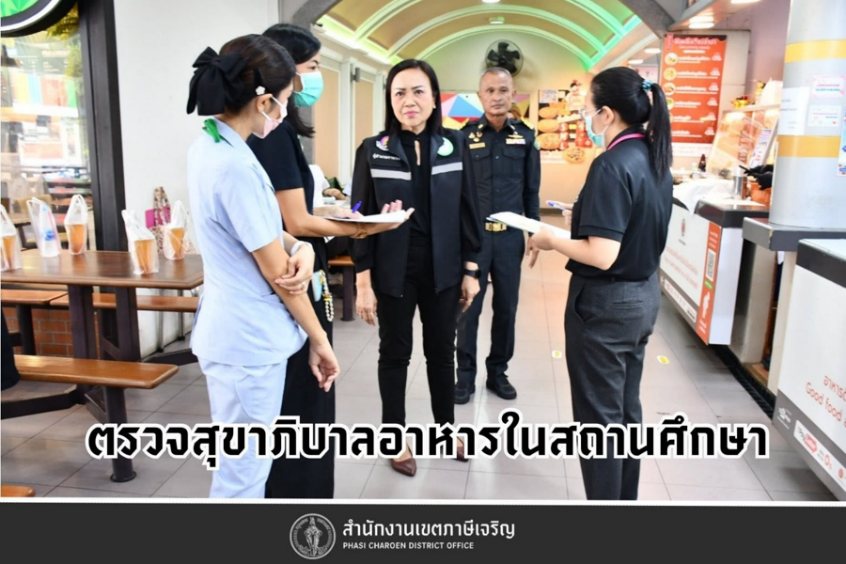
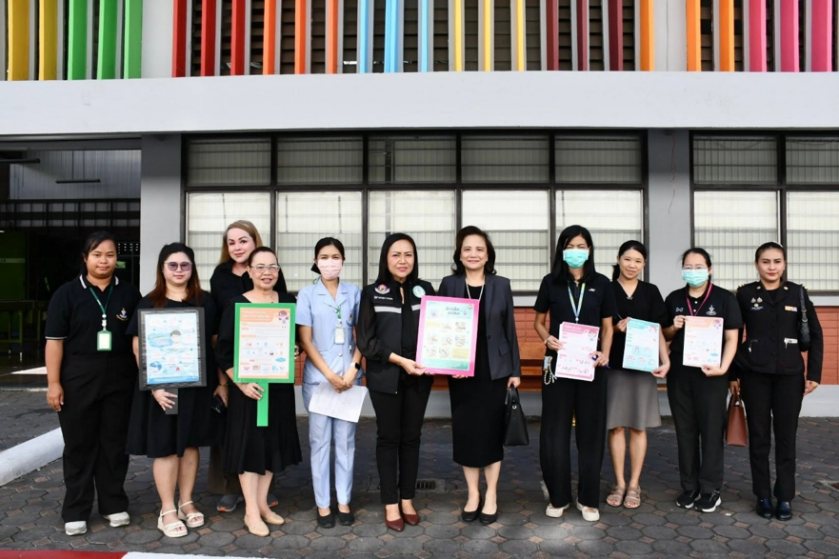
Siam University places strong emphasis on food safety. To this end, the Faculty of Science established the Center for Academic Services in Science, Technology and Environment, which provides chemical and physical food quality analysis as well as consultancy on food and product quality to external organizations. In addition, the university also collaborates with the Phasi Charoen District Office, which conducts annual sanitation inspections of the university’s canteens. The most recent inspection took place on 18 June 2026 (B.E. 2569), led by Mrs. Tharaporn Amnuaysan, Director of Phasi Charoen District. She was accompanied by officials from the district’s Environment and Sanitation Section and City Law Enforcement Section, together with staff from Public Health Center 62 (Tuangrat) and the Faculty of Medicine, Siam University. The team inspected the canteens and food preparation areas on campus under the BMA’s “Bangkok: Food Safety City” policy, with the aim of ensuring that students consume food that is clean, safe, and free from pathogens and harmful contaminants. The inspection covered – environmental hygiene: the overall cleanliness of the canteen premises; utensils and equipment: the cleanliness of containers and equipment used for cooking and serving food; personal hygiene of food handlers: assessed through hand swab testing of kitchen staff; as well as food quality and contamination: random sampling of food items, tested on site with preliminary screening test kits to detect quality issues and contaminants, safeguarding the health of students and staff.
Food Sanitation Standards for Canteens
https://www.facebook.com/Ph.SiamUniversity/?locale=th_TH
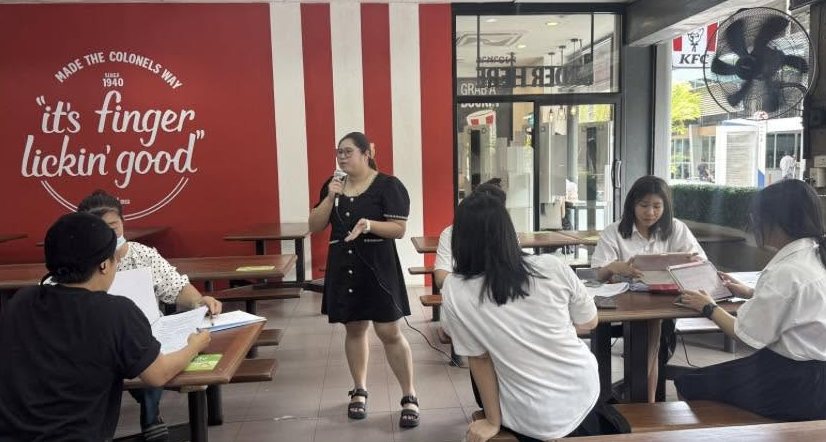
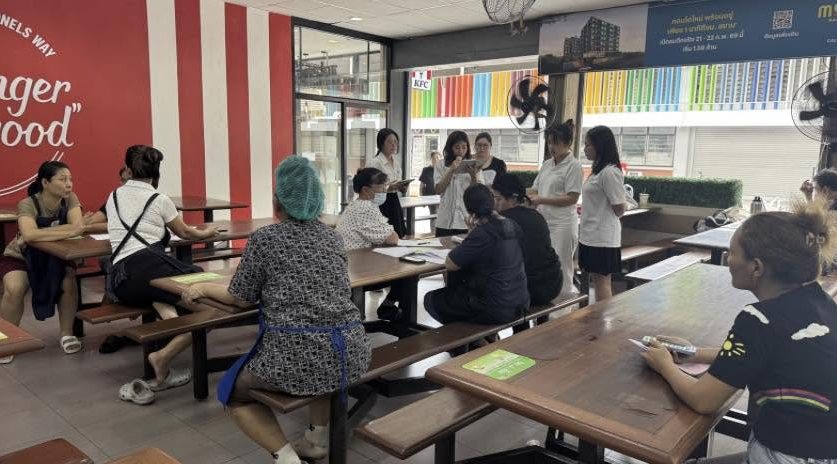
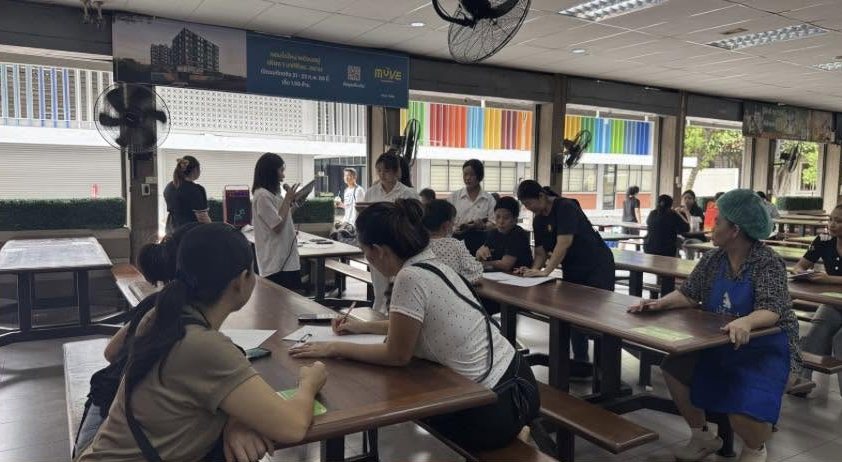
On 13 June 2026, Ms. Preeyaphat Permpoonnitit led third-year Occupational Health and Safety students in an academic service activity on occupational health, safety, and public health. Held at the Siam University canteen, the activity trained food vendors and shop operators on food sanitation standards for canteens.
“One Village, One Thai Chef” Initiative
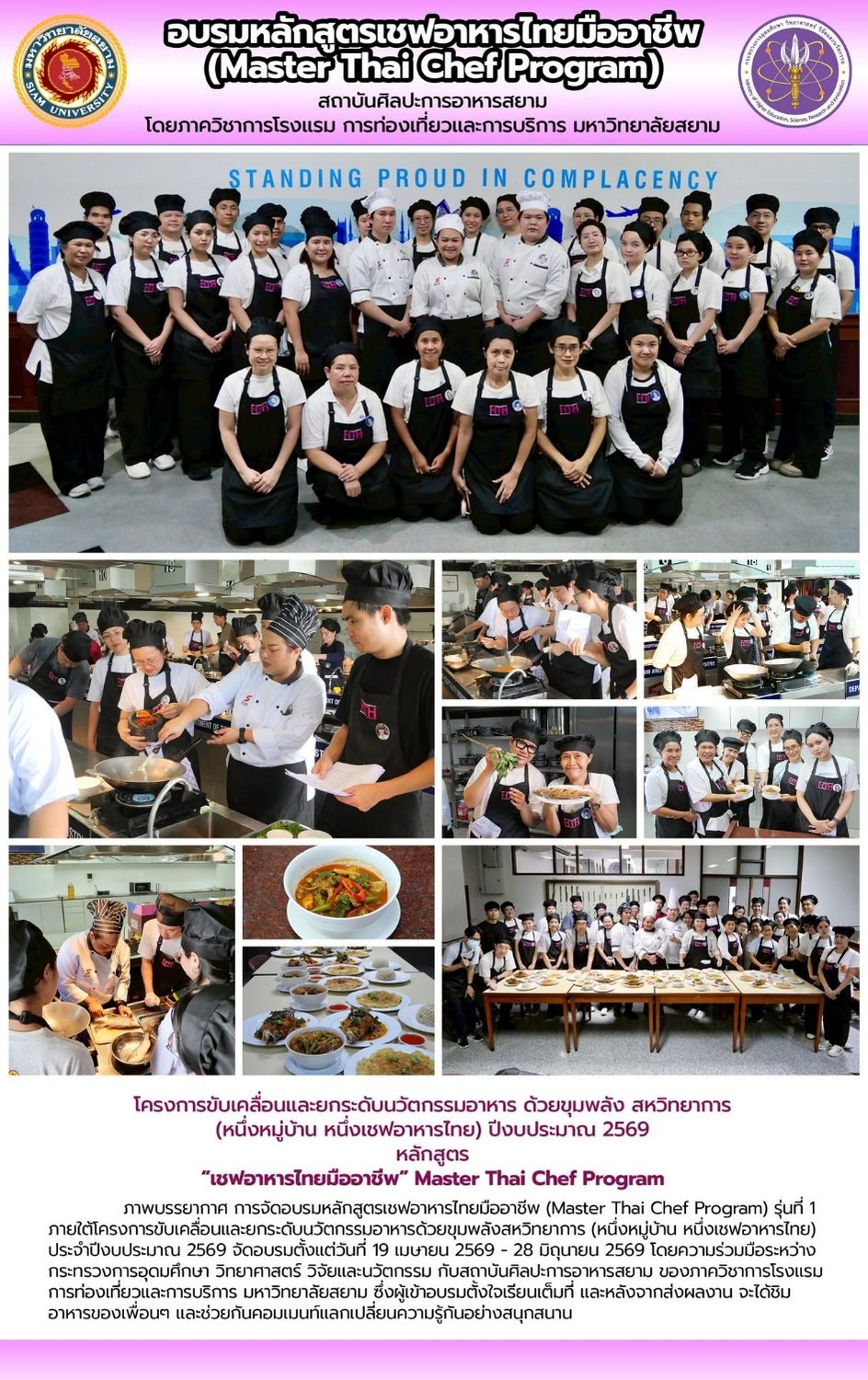
Siam University, through the Siam Culinary Institute of the Department of Hotel, Tourism, and Hospitality, Faculty of Liberal Arts, delivered the first cohort of the Master Thai Chef Program between 19 April and 28 June 2026. The training formed part of the 2026 fiscal-year project to drive and elevate food innovation through interdisciplinary expertise, known as the “One Village, One Thai Chef” initiative, carried out with the Ministry of Higher Education, Science, Research and Innovation (MHESI). The program combined theory and intensive practice under faculty and Thai culinary experts. It also included peer tasting and critique sessions, which built both professional skills and collegiality among participants. The initiative is presented as a contribution to Thailand’s culinary soft power. Its aim is to develop a new generation of qualified Thai chefs who can sustain and promote Thai culinary identity nationally and internationally.