Leading University Creating Innovation for Sustainable Future


Healthy University Rating System (HURS)
University : Siam University
Country : Thailand
Web Address : https://sustainability.siam.edu
SI 2 Safe Buildings and Safe, Clean, Green Environments
[2.3] Comprehensive Water Management Systems
| 1. Water Management Policy and water management system |
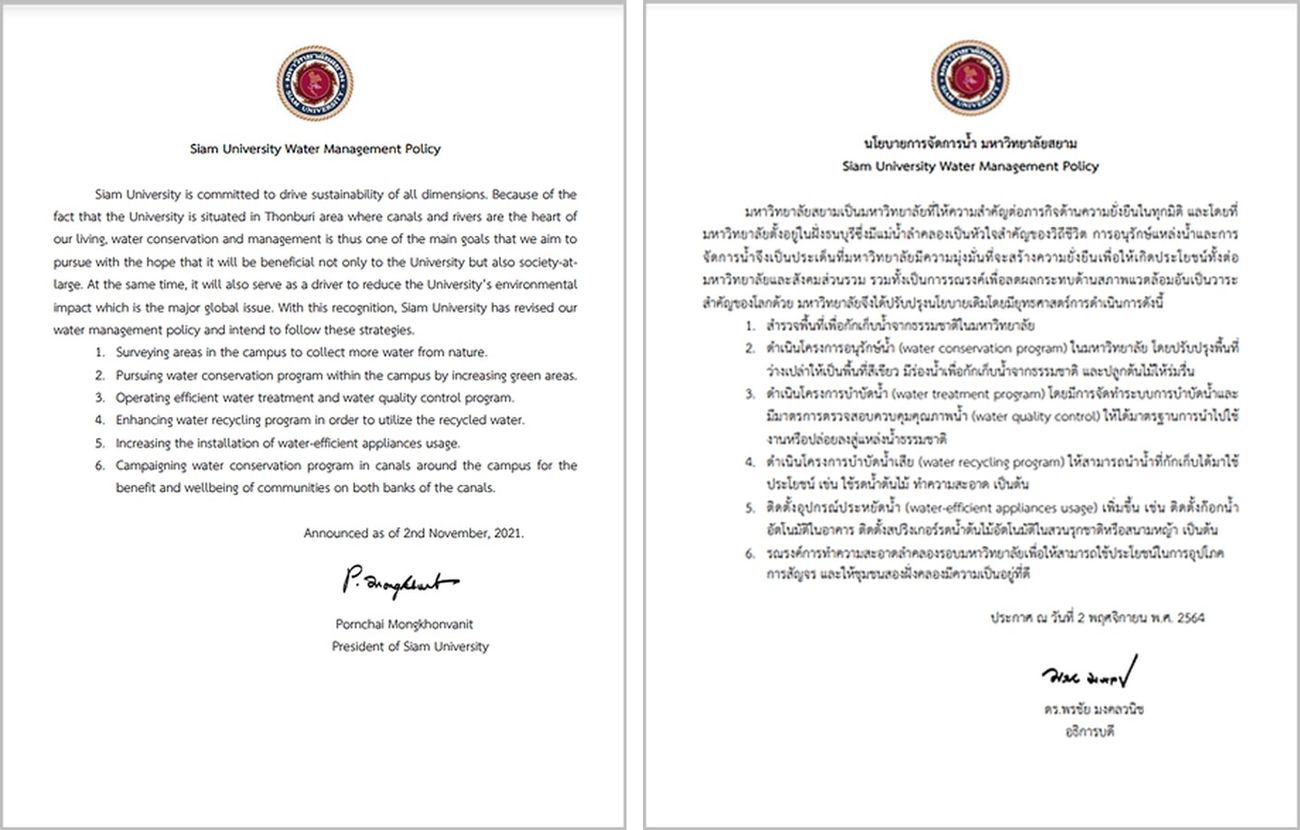 |
| Siam University Water Management Policy (English and Thai), announced on 2 November 2021 and signed by the President: six strategies, from rainwater collection and water conservation to treatment, recycling, water-efficient appliances and canal campaigns |
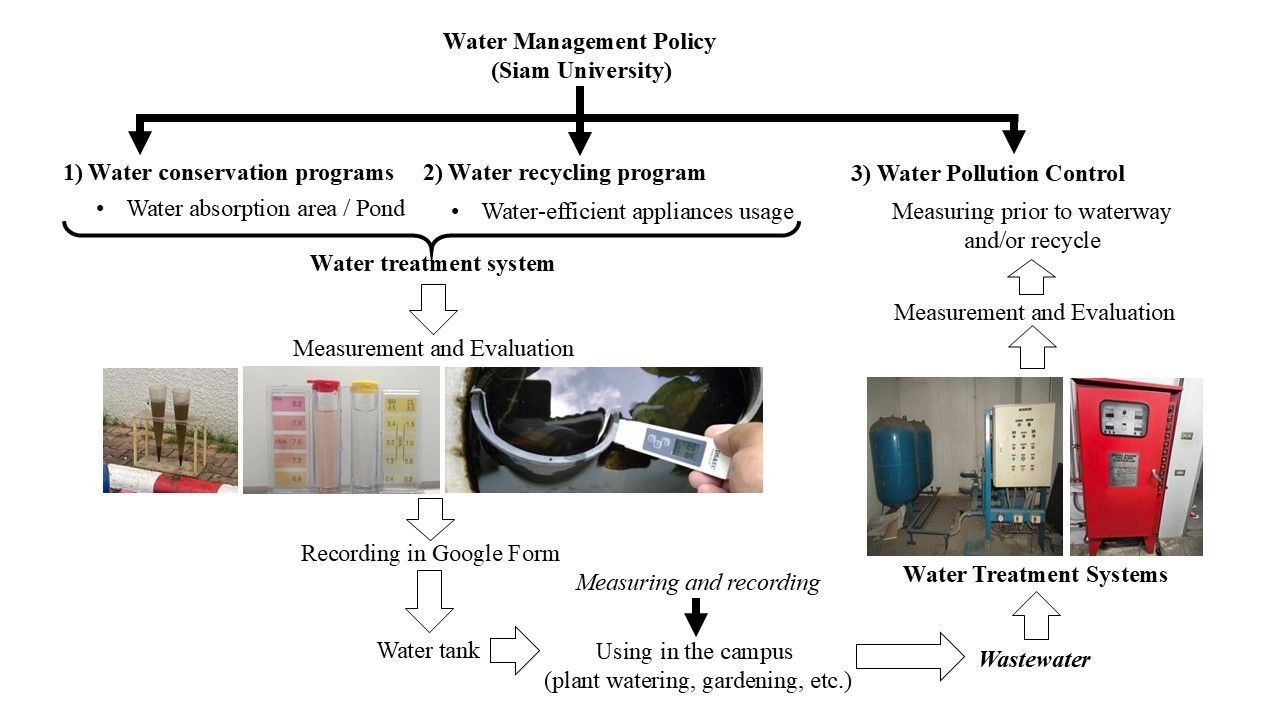 |
| Water management system: conservation and recycling programmes feed a treatment system; water is measured, evaluated and recorded (Google Form) before use for plant watering and gardening; wastewater passes the treatment system and is measured before release |
| 2. Water quality testing and pollution control |
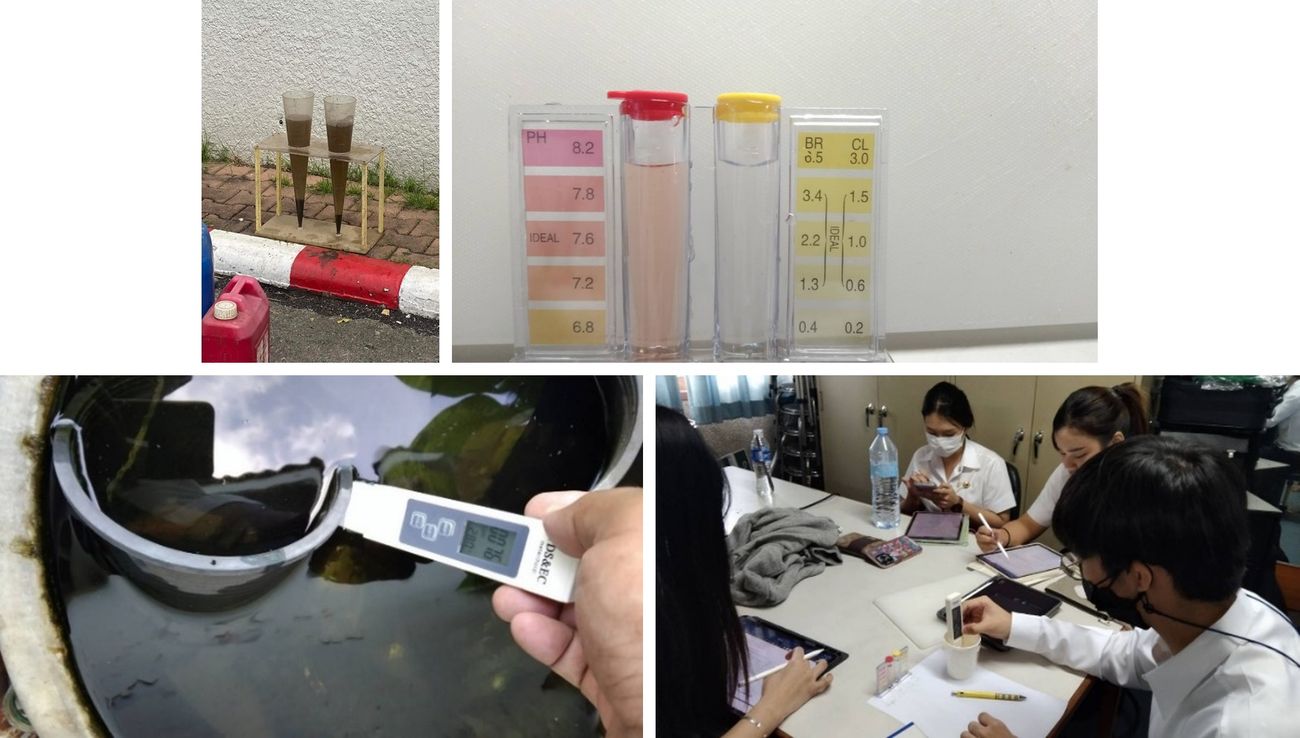 |
| Sedimentation, colour test kits and a digital meter used to check pond and treated water; students test water samples in the laboratory |
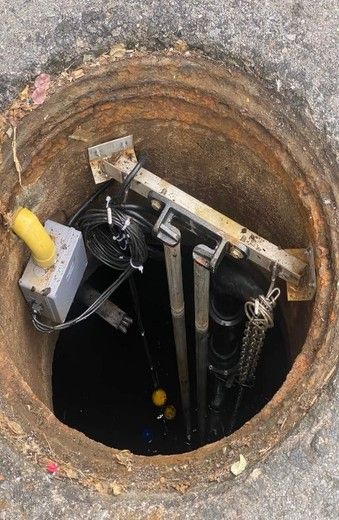 |
| Wastewater and sewerage system below the ground floor, inspected every year by an authorised company |
| 3. Water-saving devices |
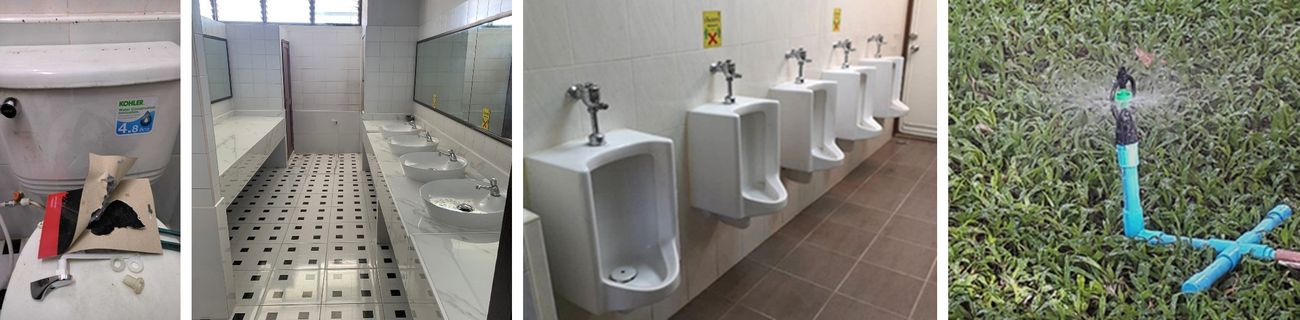 |
| Dual-flush toilets, automatic taps, sensor urinals and garden sprinklers – 97.7% of taps, sprinklers and toilet flushes are water-efficient |
| 4. Alternative water sources – rainwater and recycled water |
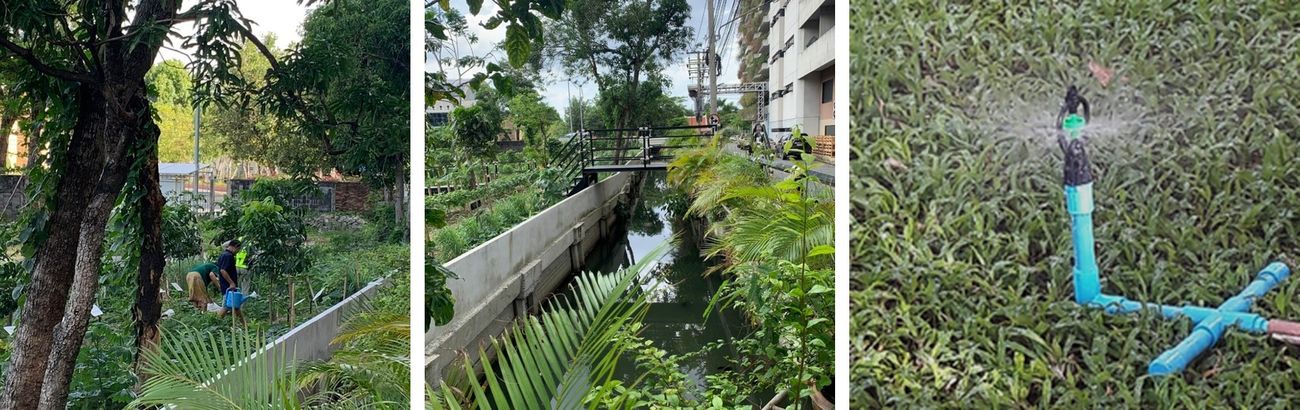 |
| Campus ponds and canal collect rainwater; treated water is used for watering plants with sprinklers |
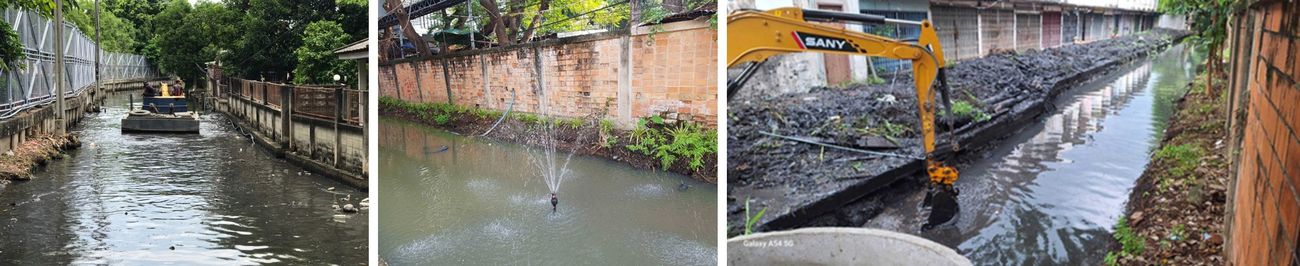 |
| Canal dredging and fountains that add oxygen to the water around the campus |
| 5. Safe drinking water |
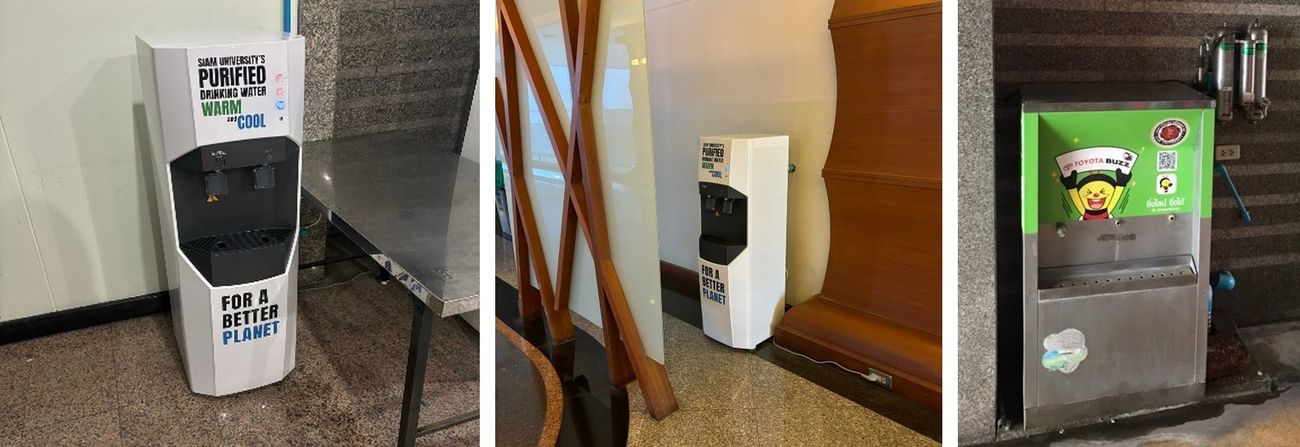 |
| Purified drinking-water dispensers (warm and cool) in canteens and teaching buildings |
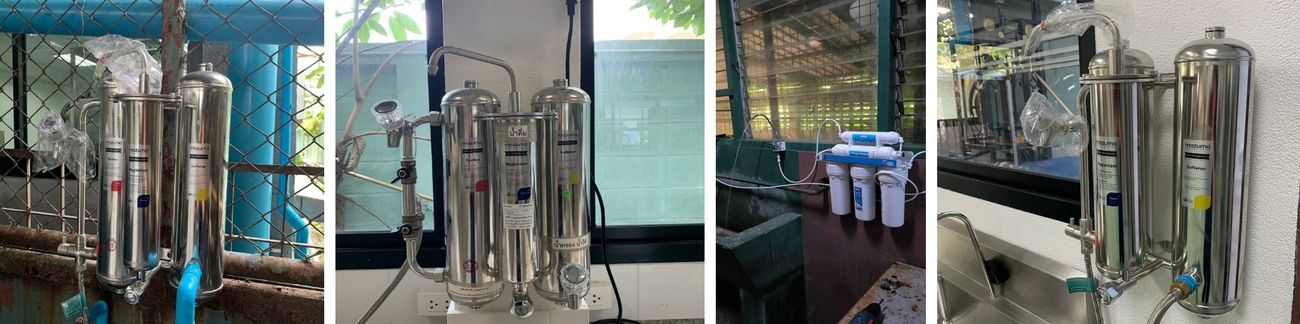 |
| Water filtration units that supply the drinking-water points |
| 6. Drinking-water quality surveillance by the Phasi Charoen District Office, 28 February 2025 |
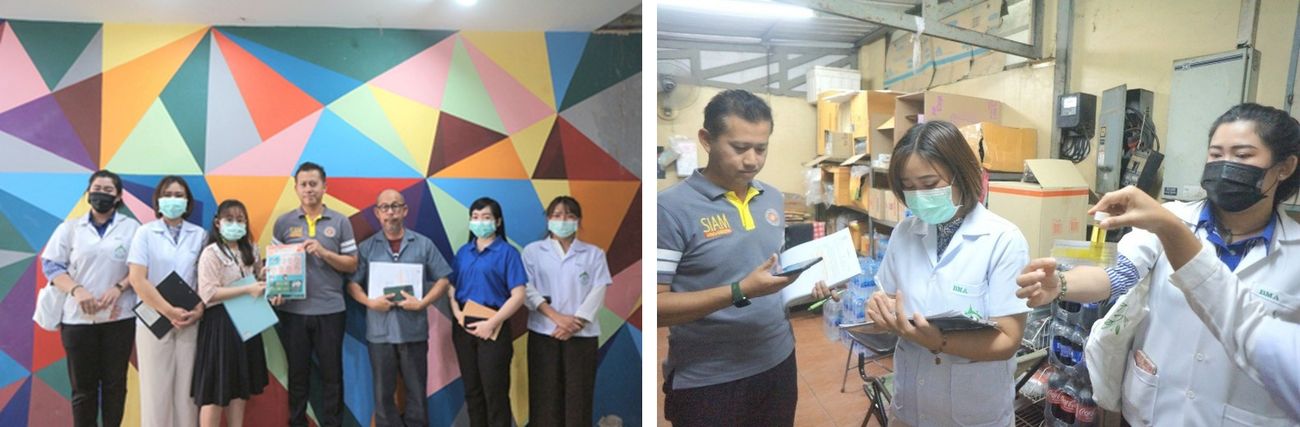 |
| Environmental and Sanitation Division officers with university staff; water samples tested for residual chlorine and coliform bacteria |
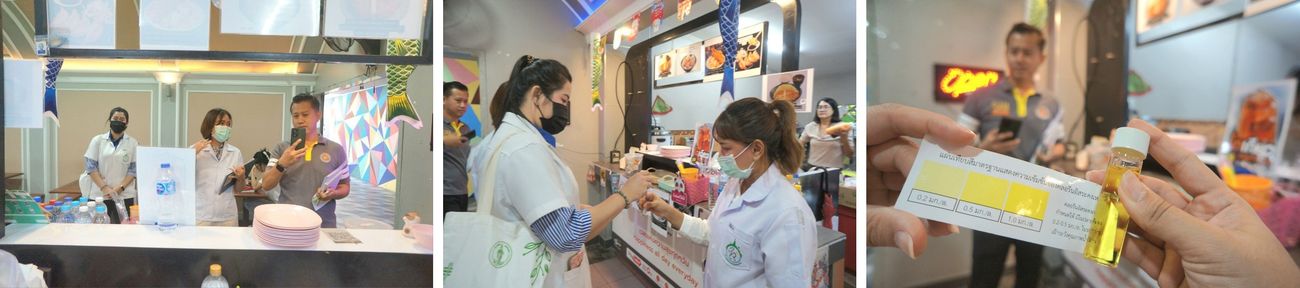 |
| Samples from tap water before storage, after storage and kitchen water – all met drinking-water quality standards (SDG Report 2024–2025, pp. 63–64) |
| 7. External evaluation – UI GreenMetric water score |
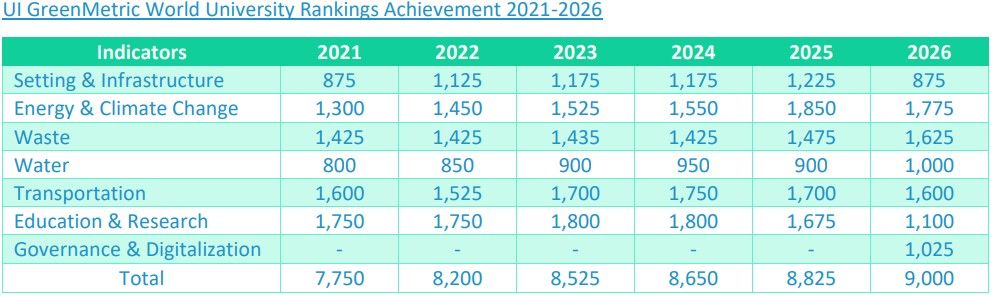 |
| UI GreenMetric World University Rankings, 2021–2026: Siam University’s Water score rose from 800 to 1,000 (Sustainability Report 2025–2026, p. 12) |
| Water management at Siam University (Siam University, Thailand) |
Description:
Siam University is located in Thonburi, where canals and rivers are at the heart of daily life. Its Water Management Policy, announced on 2 November 2021, commits the University to reduce water consumption, raise awareness of water conservation and reduce its environmental impact through six strategies (Table SI 2.3.3). Water from campus ponds, canals and rainwater passes a treatment system; quality is measured and recorded before the water is used on campus, and wastewater is treated and checked before it is released to the waterways.
Water-saving devices. Since 2018 conventional fittings have been replaced with water-efficient ones. 960 of 968 taps and sprinklers (99%) and 230 of 250 toilet flushes (92%) are water-efficient – 97.7% of all fittings (Table SI 2.3.2).
Alternative water sources. Small ponds and an underground concrete pond collect rainwater and treated water. The water is treated with effective microorganisms (EM) to raise oxygen and adjust pH, checked regularly, and used for floor washing and watering plants; more than 50% of the water for these uses comes from conserved and recycled water. The University has dredged the canals around the campus and installed fountains to circulate oxygen.
Infrastructure checks and pollution control. The sewerage and wastewater system below the ground floor is inspected every year by an authorised company, and treated water is tested in the laboratory before it is used or released. After the two largest events of the year – Siam Fair 2025 and Siam Sports Fair 2026 – the Building and Grounds Division cleaned the drains and inspected the buildings before teaching resumed.
Safe drinking water. Purified drinking-water dispensers are installed in canteens and teaching buildings, and at least 90% of the water for consumption on campus is treated. On 28 February 2025 the Environmental and Sanitation Division of the Phasi Charoen District Office tested water from the tap before storage, after storage and in the kitchens for residual chlorine and coliform bacteria; all samples met drinking-water standards, and restrooms were inspected for hygiene on the same day.
Monitoring and evaluation. Water quality is measured, evaluated and recorded in a Google Form before use, and the University’s water management is assessed every year by the UI GreenMetric World University Rankings, where its Water score rose from 800 in 2021 to the maximum of 1,000 in 2026 (Table SI 2.3.4). [Add monthly or yearly water-meter readings (m³) for the last two years and the reduction target.]
Selected level: Advanced Implementation (4 items) – 7.5 of 10 points. [With water-use data and a reduction target (item 1) and campaign evidence from the last year (item 2), select “Comprehensive Implementation (5 items or more)”, 10 points.]
Table SI 2.3.1 – HURS water management strategies at Siam University
| HURS water management strategy | Siam University evidence | Source | Status |
|---|---|---|---|
| 1. Monitoring water usage and establishing targeted reductions | Water Management Policy aims to reduce water consumption; recycled and treated water is measured, evaluated and recorded in a Google Form before use on campus; UI GreenMetric water score monitored every year (1,000 in 2026) | SI 2.3.1; Sustainability Report 2025–2026, p. 12; photos 1 | Partly – add water-meter data and a reduction target |
| 2. Promoting behavioural change to conserve water | Water-saving campaign since 2018; policy strategy 6 – water conservation campaign in the canals around the campus with the communities on both banks | SI 2.3.6; Water Management Policy | Partly – add campaign materials from the last year |
| 3. Installing water-saving devices throughout the campus | 960 of 968 taps and sprinklers (99%) and 230 of 250 toilet flushes (92%) are water-efficient; automatic taps, dual-flush toilets and sensor urinals (Table SI 2.3.2) | SI 2.3.4; photos 3 | In place |
| 4. Regular analysis of infrastructure to identify and repair leaks | The sewerage and wastewater system under the buildings is inspected every year by an authorised company; drains were cleaned and buildings inspected after large events (November 2025, March 2026) | SI 2.3.1; Sustainability Report 2025–2026, p. 74; photos 2 | In place – attach the latest inspection and repair records |
| 5. Alternative water sources for non-potable use | Rainwater is collected in campus ponds and an underground concrete pond, treated with effective microorganisms (EM) and used for floor washing and watering plants – more than 50% of water conserved; canals dredged and fountains installed to add oxygen | SI 2.3.5, 2.3.6; photos 4 | In place |
| 6. Other: water quality, pollution control and safe drinking water | Water-pollution control and lab testing of treated water before release; purified drinking-water dispensers in canteens and teaching buildings (at least 90% of drinking water treated); district surveillance on 28 February 2025 – all samples met drinking-water standards; restroom hygiene inspection | SI 2.3.2, 2.3.3, 2.3.7; SDG Report 2024–2025, pp. 63–64; photos 2, 5, 6 | In place |
Green: in place. Orange: partly in place – evidence to be added. “SI 2.3.x” refers to the attached evidence files; “photos” to the numbered sections above.
Table SI 2.3.2 – Water-efficient appliances
| Appliance | Total | Water-efficient | Share |
|---|---|---|---|
| Toilet flushes | 250 | 230 | 92% |
| Water taps and sprinklers | 968 | 960 | 99% |
| All appliances | 1218 | 1190 | 97.7% |
Source: SI 2.3.4 Water-efficient appliances usage.
Table SI 2.3.3 – Strategies of the Water Management Policy
| No. | Water Management Policy strategy | HURS strategy |
|---|---|---|
| 1 | Surveying areas in the campus to collect more water from nature | 5 – Alternative water sources |
| 2 | Pursuing a water conservation programme by increasing green areas | 5 – Alternative water sources; 2 – Behaviour |
| 3 | Operating efficient water treatment and water quality control | 6 – Water quality and pollution control |
| 4 | Enhancing the water recycling programme to use recycled water | 5 – Alternative water sources |
| 5 | Increasing the installation of water-efficient appliances | 3 – Water-saving devices |
| 6 | Campaigning water conservation in the canals around the campus for communities on both banks | 2 – Behaviour change |
Source: Siam University Water Management Policy, announced 2 November 2021.
Table SI 2.3.4 – External evaluation: UI GreenMetric water score
| UI GreenMetric | 2021 | 2022 | 2023 | 2024 | 2025 | 2026 |
|---|---|---|---|---|---|---|
| Water score (Siam University) | 800 | 850 | 900 | 950 | 900 | 1,000 |
Source: Sustainability Report 2025–2026, p. 12. Siam University ranked 49th in the world and third in Thailand in the 2026 UI GreenMetric World University Rankings.
Evidence to attach:
-
Water Management Policy (2 November 2021) and evidence files SI 2.3.1–2.3.7.
-
SDG Report 2024–2025, pp. 63–64: https://sustainability.siam.edu/wp-content/uploads/2025/10/SDG-report-2024-2025.pdf; Sustainability Report 2025–2026, pp. 12 and 74: https://sustainability.siam.edu/wp-content/uploads/2026/10/SDG_report_2025_2026.pdf
-
Policies for a sustainable future: https://sustainability.siam.edu/vision-mission-and-policies-for-sustainable-future/