Leading University Creating Innovation for Sustainable Future


Healthy University Rating System (HURS)
University : Siam University
Country : Thailand
Web Address : https://sustainability.siam.edu
HP 4 Physical Activity and Active Mobility
[4.3] Promotion of Sleep and Mindfulness Programs
| 1. Policy and university-wide yoga and mindfulness for staff and students |
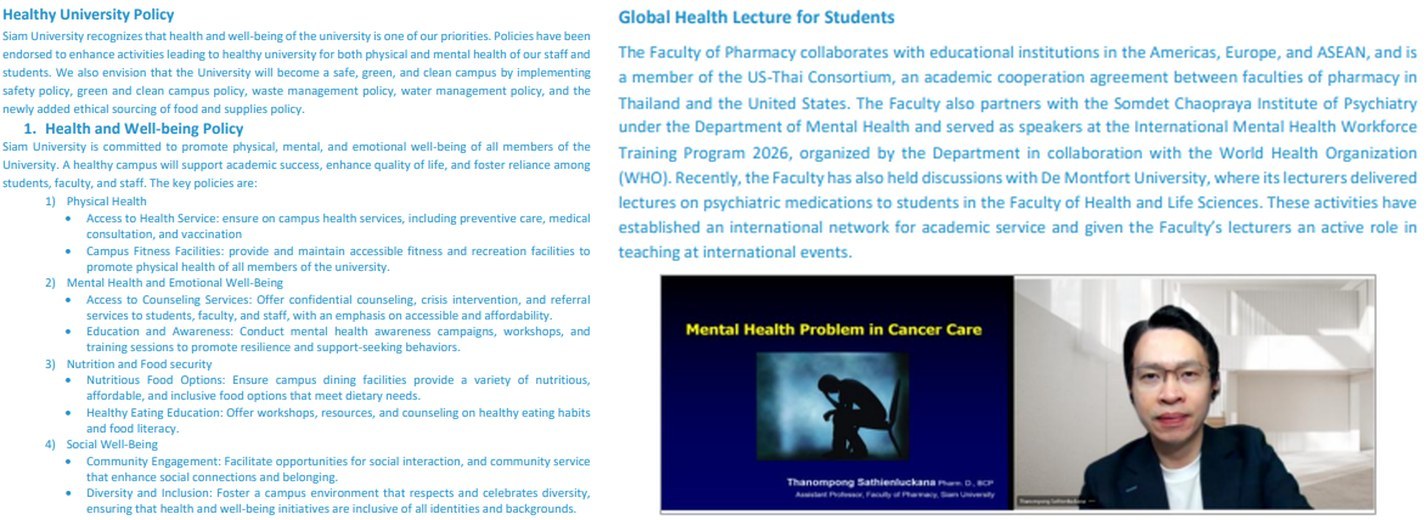 |
| (Left) Health and Well-being Policy: mental and emotional well-being through counselling, awareness campaigns, workshops and training that build resilience (Sustainability Report 2025–2026, p. 8) (Right) Faculty of Pharmacy with the Somdet Chaopraya Institute of Psychiatry (p. 38) |
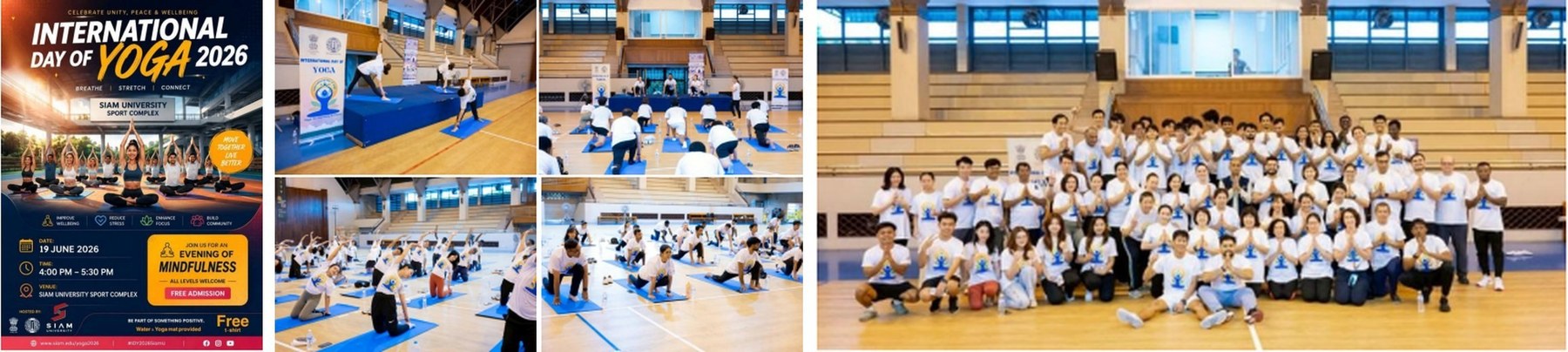 |
| International Day of Yoga 2026 – “Breathe, Stretch, Connect”: guided yoga and mindfulness to reduce stress, improve concentration and promote relaxation, Sport Complex, 19 June 2026, 16.00–17.30 (about 100 students, staff and members of the public; Sustainability Report 2025–2026, p. 54) |
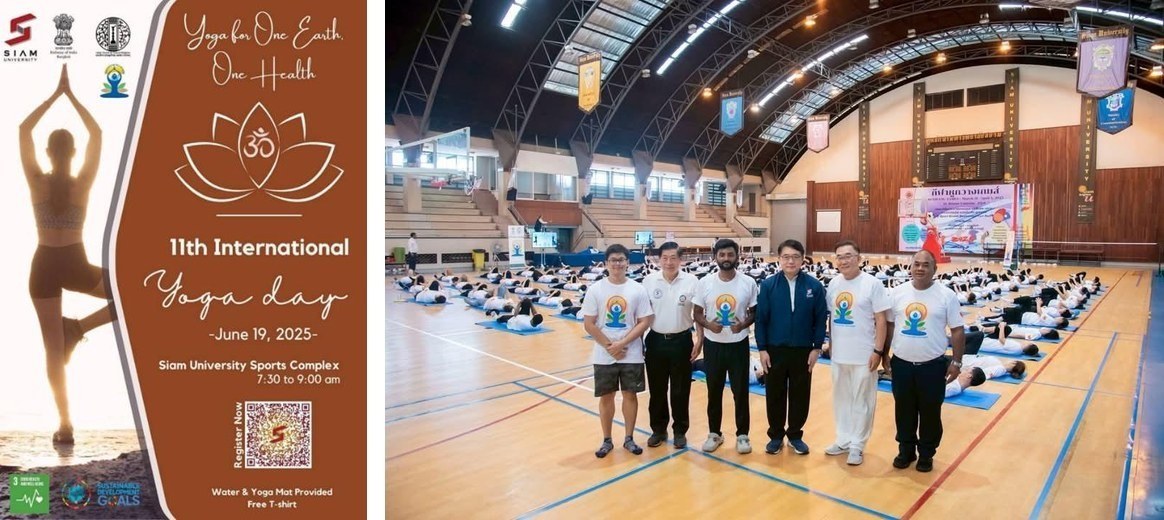 |
| 11th International Yoga Day – “Yoga for One Earth, One Health”, 19 June 2025, with the Embassy of India |
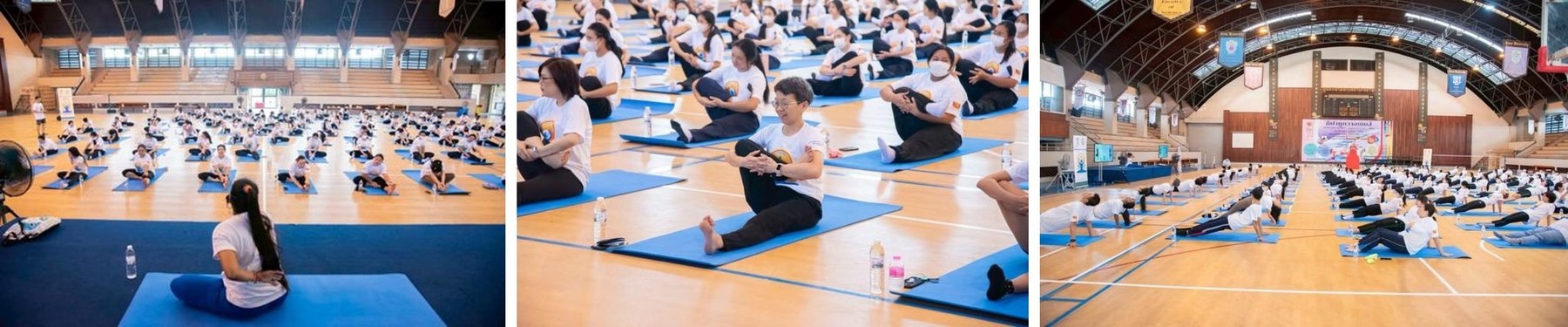 |
| More than 120 faculty members and students practise yoga in the Sports Complex (19 June 2025; SDG Report 2024–2025, p. 46) |
| 2. Faculty of Medicine – Siam-Med Happy Place for lecturers, staff and students |
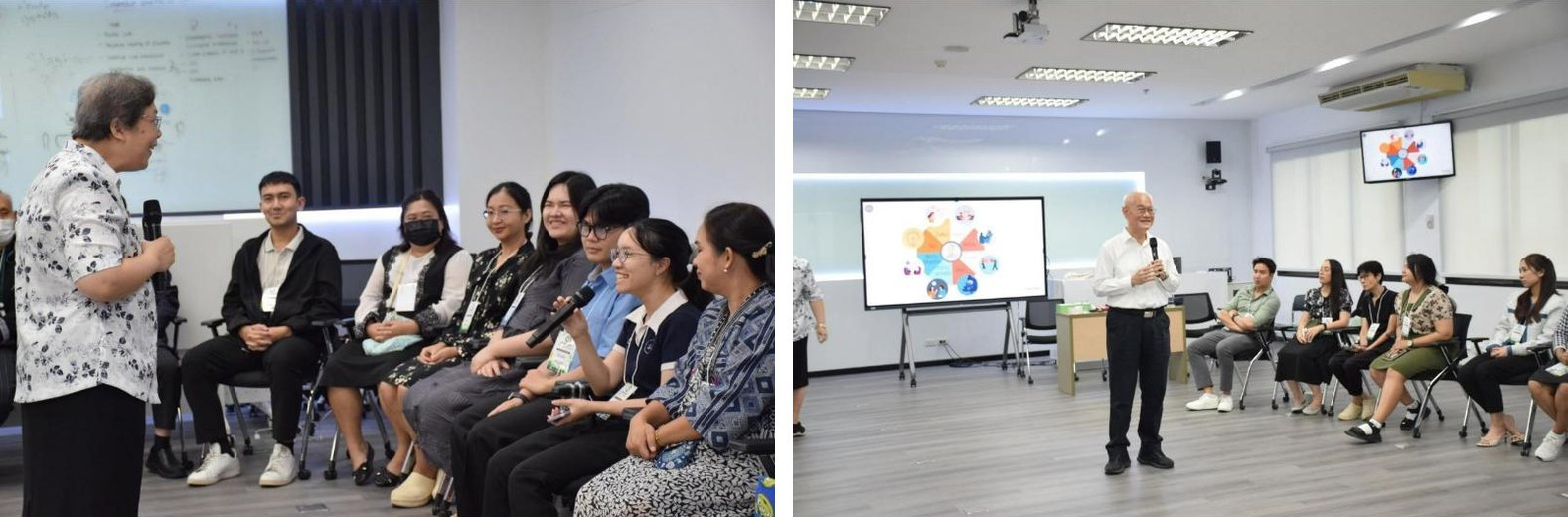 |
| “Listening with the heart for a happy mind” for lecturers and staff of the Faculty of Medicine, 1 July 2026: a clinical psychologist and a psychiatrist of the Somdet Chaopraya Institute of Psychiatry lead talks and practice in empathic listening, so that staff can work together happily (Faculty of Medicine website, 15 September 2026) |
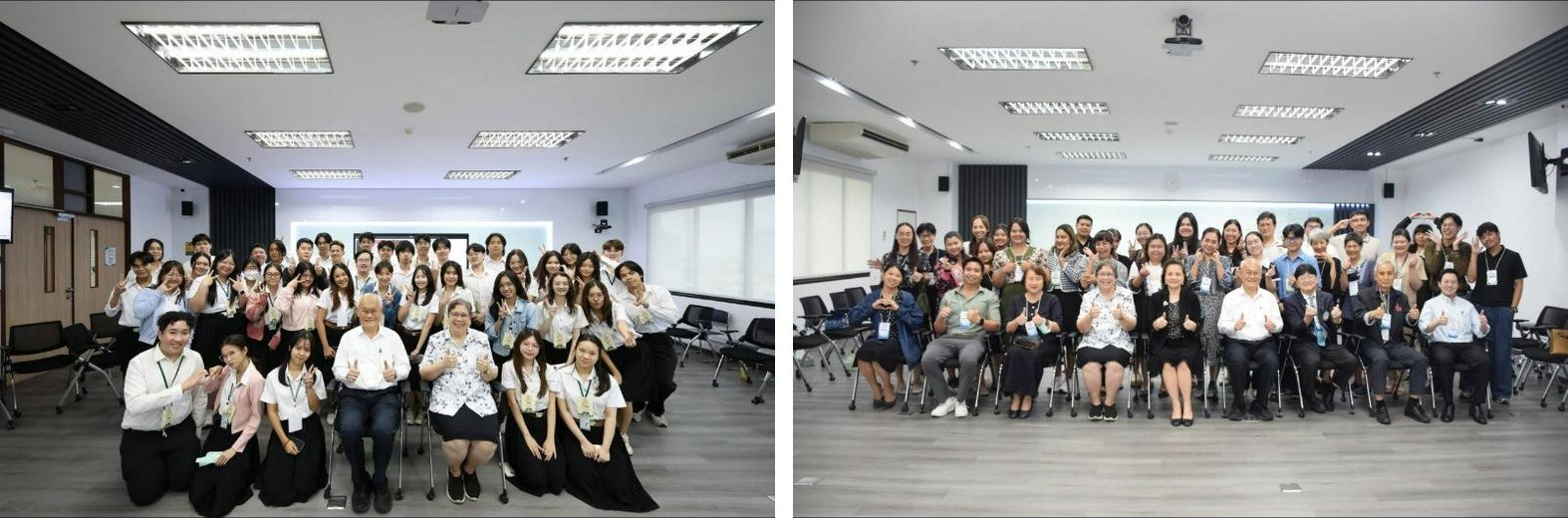 |
| (Left) Happy Place for Year 2–3 medical students with the Medical Student Club, 15 and 22 July 2026 (Right) Group photo of the staff session, 1 July 2026 |
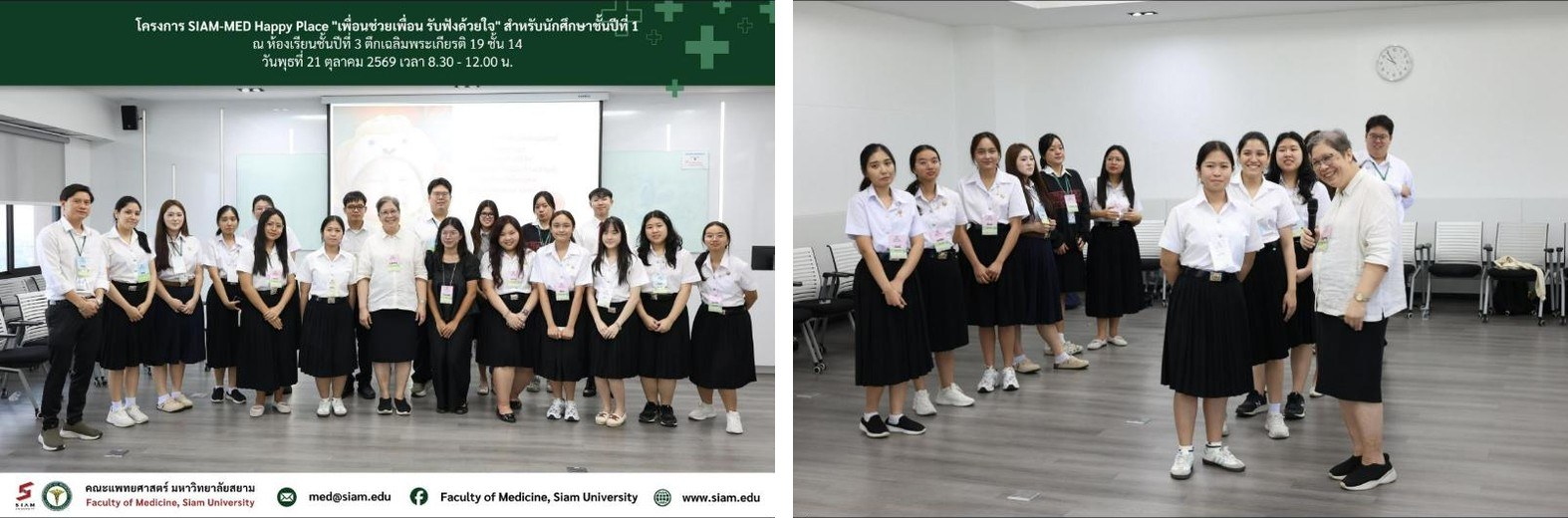 |
| “Peer helping peer – listening with the heart” for Year 1 medical students, 21 October 2026: role-play practice to promote mental well-being |
| 3. Faculty of Nursing – meditation, mindfulness and stress management |
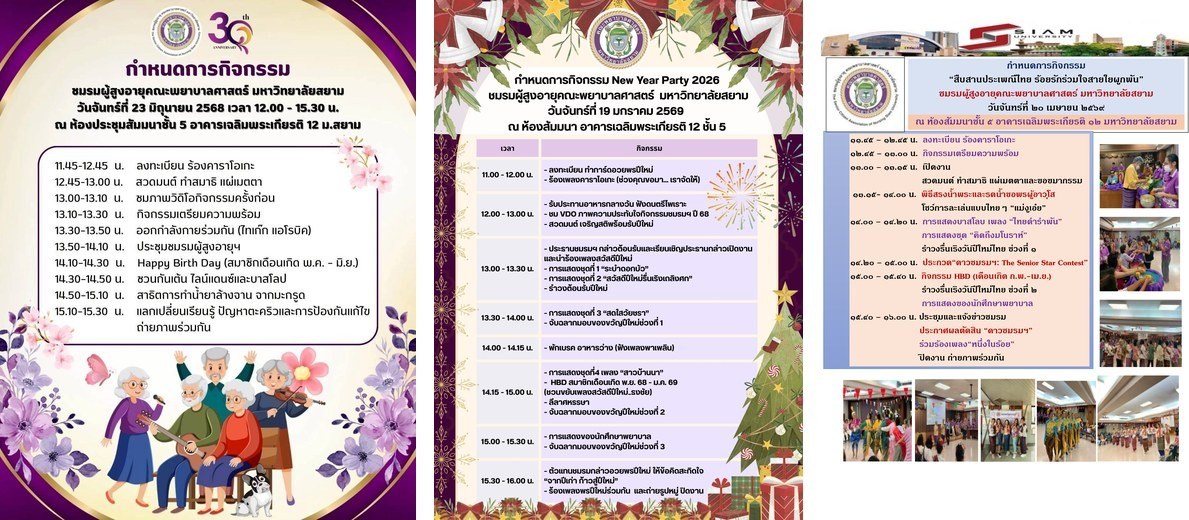 |
| Elderly Club programmes of 23 June 2025, 19 January 2026 and 20 April 2026 – sessions open with prayer, meditation and loving-kindness practice with Dhamma Q&A, led with nursing lecturers and students |
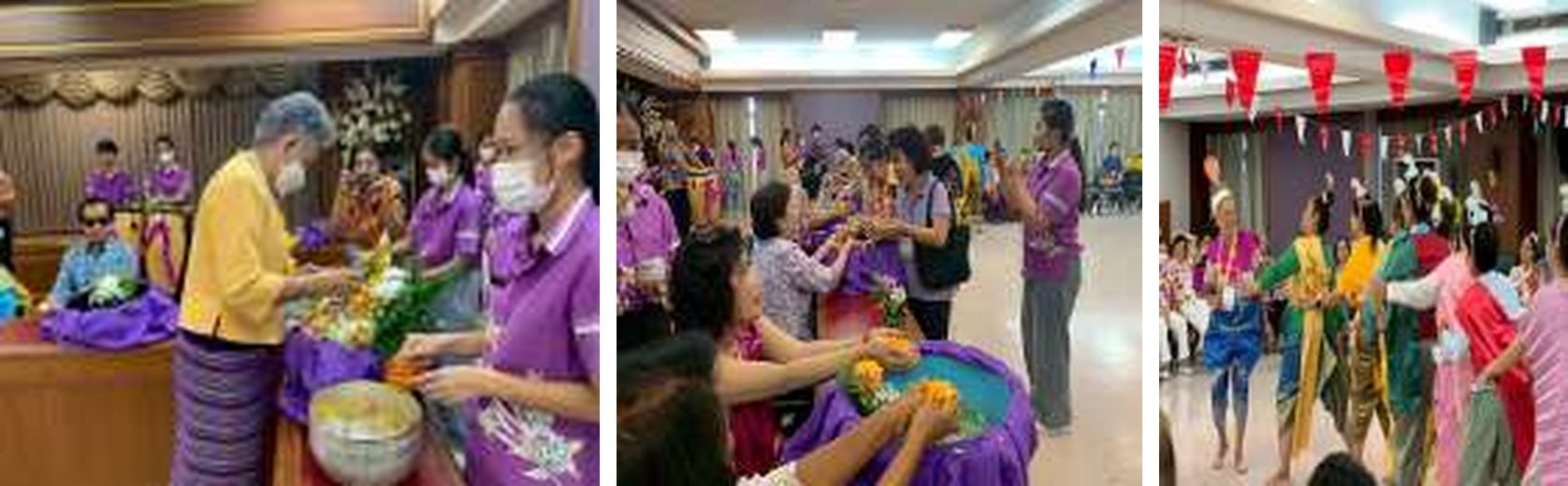 |
| Elderly Club Thai New Year session, 20 April 2026: prayer, meditation and asking forgiveness, followed by water blessing for elders |
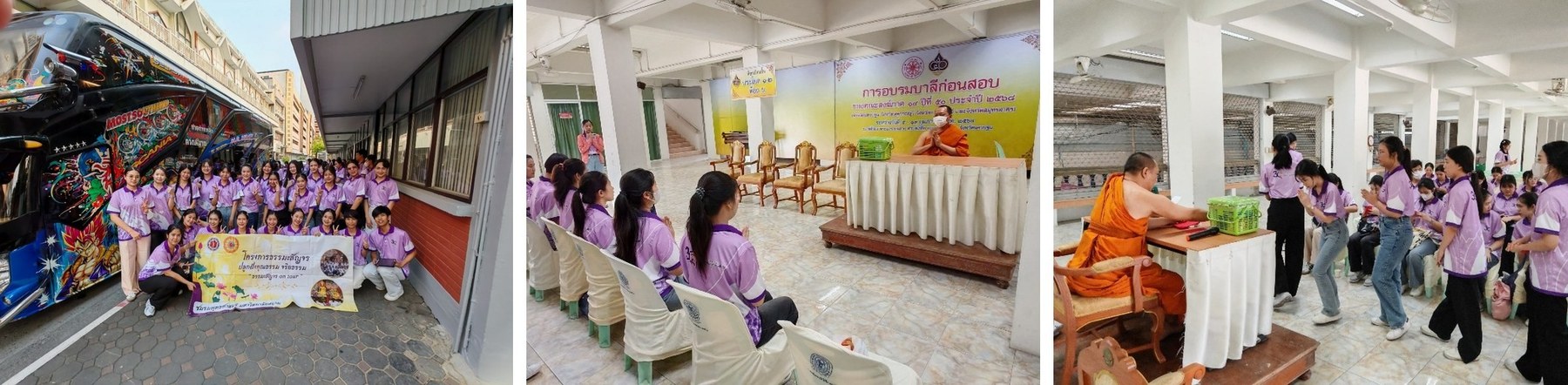 |
| Dhamma Sanchorn, Faculty of Nursing Buddhist Club (1 March 2025): 55 nursing students and their advisor – alms offering and Dhamma teaching at Wat Rai Khing |
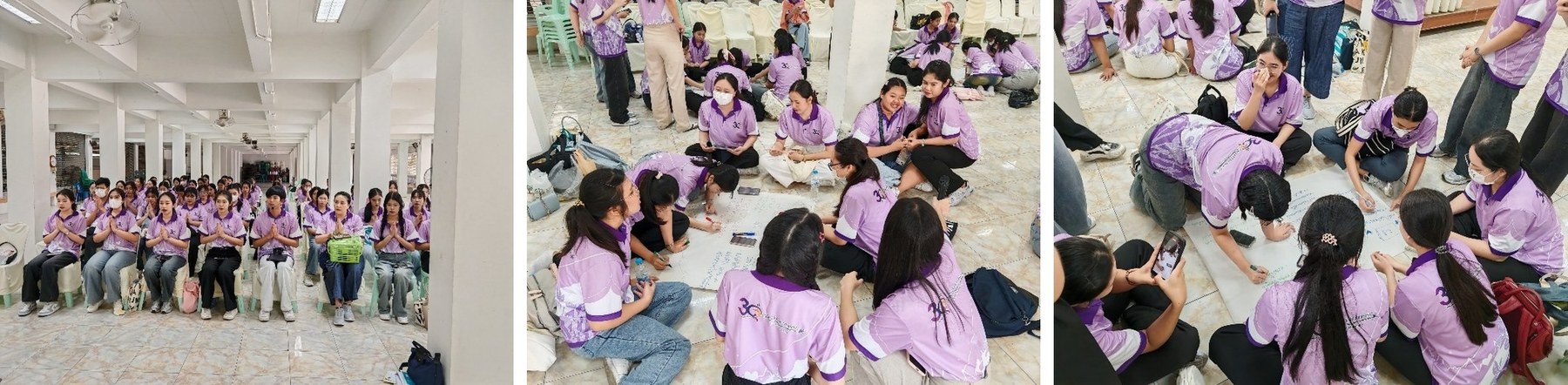 |
| Mindfulness practice, Dhamma talk and group reflection; the programme also included sitting meditation in the ordination hall of Wat Don Wai (12.50–13.10) |
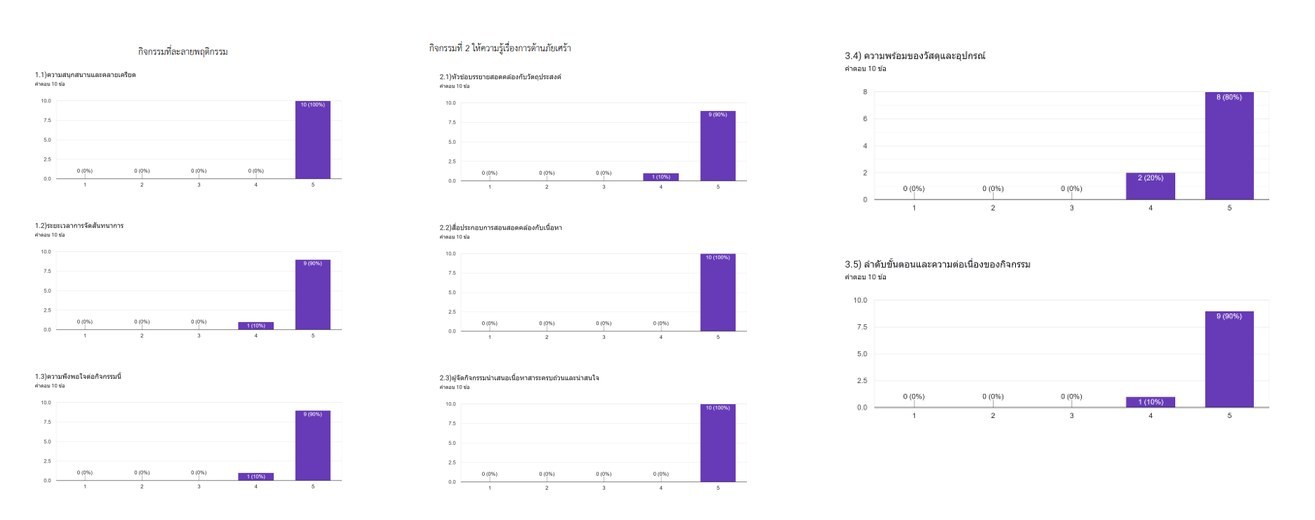 |
| Faculty of Nursing mental-health promotion projects on stress management and resilience, 18 December 2025 – 15 January 2026: satisfaction above the target of 3.51 in every project |
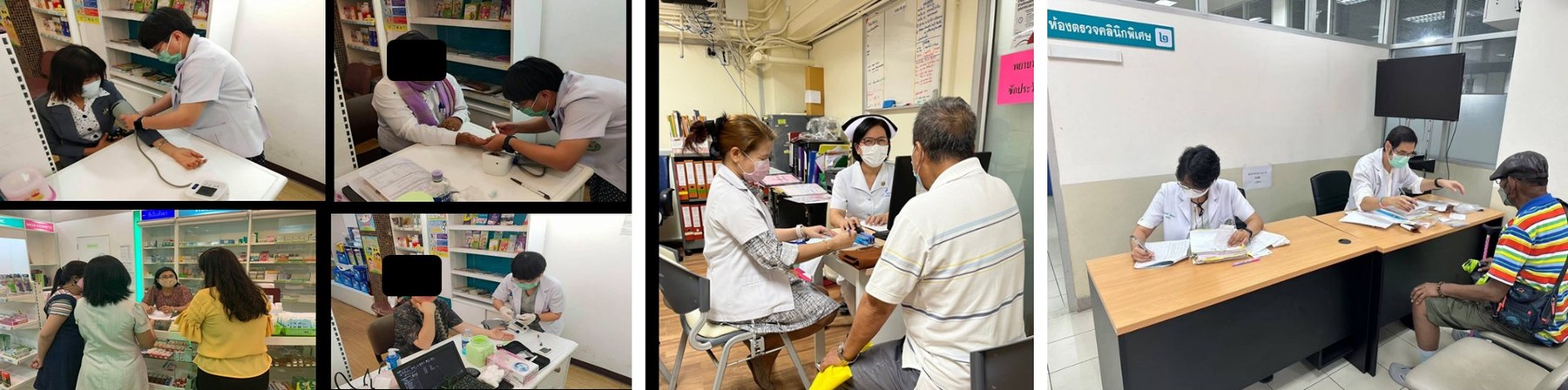 |
| (Left) Annual physical and mental health check for university personnel, Faculty of Nursing (Centre, right) BKK Wellness Clinic with Taksin Hospital: health checks and consultations on physical and mental well-being, 16–20 June 2025 |
| 4. Staff capacity in psychological support |
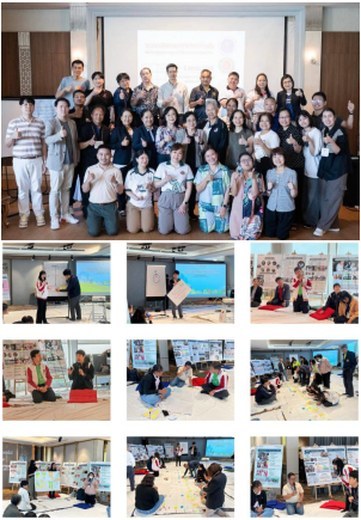 |
| “Fundamentals of Psychology” training for lecturers and staff from various faculties who support students with disabilities, 7–9 April 2026, funded by the Ministry of Higher Education, Science, Research and Innovation (Sustainability Report 2025–2026, p. 102) |
| 5. Sleep: needs assessment of medical students |
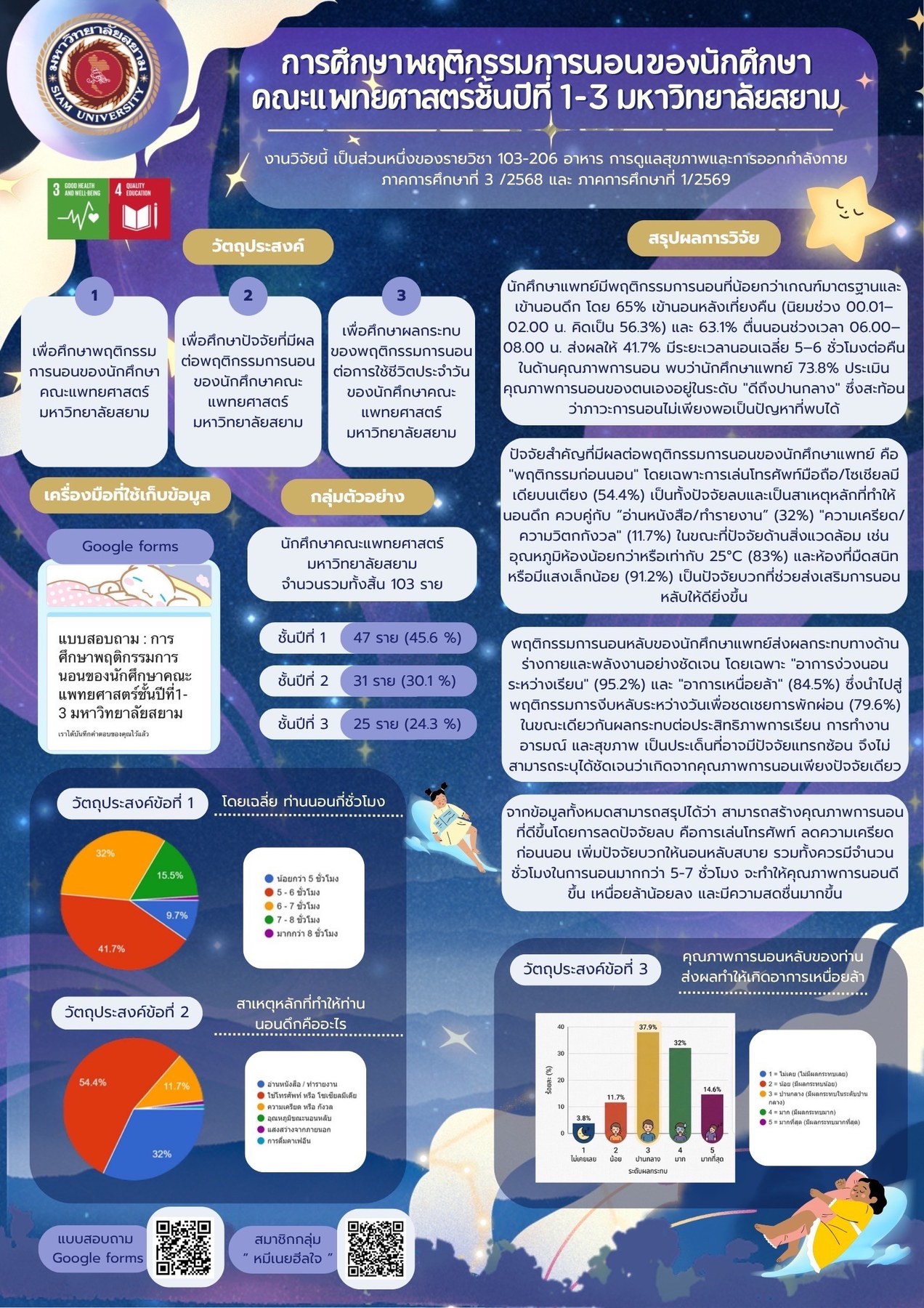 |
| Research poster “Sleep behaviour of first- to third-year medical students, Siam University” (GE course 103-206, semesters 3/2568 and 1/2569): 103 students, Google Forms survey – sleep duration, causes of late sleep and effects on daytime fatigue |
| Sleep and mindfulness programmes at Siam University (Siam University, Thailand) |
Description:
Siam University’s Health and Well-being Policy commits the University to mental and emotional well-being through counselling, awareness campaigns, workshops and training that build resilience. Sleep and mindfulness are promoted through a university-wide yoga and mindfulness programme for staff and students, staff sessions of the Faculty of Medicine, meditation and stress-management activities of the Faculty of Nursing, relaxation activities of the Faculty of Pharmacy, and a study of medical students’ sleep (Tables HP 4.3.1 and 4.3.4).
Yoga and mindfulness. International Day of Yoga is held every June in the Sports Complex. In 2025 more than 120 faculty members and students took part; in 2026 the “Breathe, Stretch, Connect” programme gave about 100 students, staff and members of the public guided yoga and mindfulness to reduce stress, improve concentration and promote relaxation.
Faculty of Medicine. On 1 July 2026 the Faculty held Siam-Med Happy Place for its lecturers and staff: a clinical psychologist and a psychiatrist of the Somdet Chaopraya Institute of Psychiatry led talks and practice in listening with the heart, so that staff can work together happily. The same programme trained Year 1–3 medical students as peer helpers in July and October 2026.
Faculty of Nursing. Each Elderly Club session opens with prayer, meditation and loving-kindness practice; in five sessions from June 2025 to August 2026 nursing lecturers attended 38 times and nursing students 311 times, and satisfaction with the meditation activity rose from 3.92 to 4.20 out of 5 (Table HP 4.3.2). The Faculty also ran four stress-management and resilience projects (December 2025 – January 2026), gives university personnel an annual physical and mental health check, and its Dhamma Sanchorn programme took 55 students and their advisor to practise mindfulness and sitting meditation – 98% became more mindful and careful.
Sleep. A study of 103 first- to third-year medical students found that 65% go to bed after midnight and 41.7% sleep only 5–6 hours; phone or social-media use in bed (54.4%) was the main cause, and 95.2% felt sleepy in class (Table HP 4.3.3). The results point to a sleep-hygiene programme on screen time and stress before bed, which can be combined with the mindfulness activities above.
Table HP 4.3.1 – Faculties and their sleep or mindfulness programmes
| No. | Faculty / college (GI 4) | Sleep, mindfulness or stress-reduction programme |
Counted (staff) |
|---|---|---|---|
| 1 | Faculty of Medicine | Siam-Med Happy Place for lecturers and staff – “Listening with the heart for a happy mind” (1 July 2026), led by a clinical psychologist and a psychiatrist; peer-helper sessions for Year 1–3 students with the Medical Student Club (July and October 2026); sleep-behaviour study of 103 medical students (needs assessment) |
Yes |
| 3 | Faculty of Pharmacy | Relaxation, breathing and grounding exercises, aromatherapy and art therapy for students after mental-health self-assessment (academic year 2567); students only |
Students only |
| 4 | Faculty of Nursing | Prayer, meditation and loving-kindness practice in five Elderly Club sessions (June 2025 – August 2026), with 6–10 nursing lecturers and third-year students each time; Dhamma Sanchorn mindfulness and meditation for 55 students with an advisor (1 March 2025); stress-management and resilience projects (December 2025 – January 2026); annual physical and mental health check for university personnel |
Yes |
Table HP 4.3.2 – Meditation in Elderly Club sessions, Faculty of Nursing
| Elderly Club session | Nursing lecturers | Nursing students | Satisfaction with the meditation activity (of 5) |
|---|---|---|---|
| 23 Jun 2025 | 7 | 64 | 3.92 |
| 25 Aug 2025 | 6 | 40 | Not rated separately |
| 27 Oct 2025 | 10 | 80 | Not rated separately |
| 20 Apr 2026 | 8 | 64 | 3.97 |
| 24 Aug 2026 | 7 | 63 | 4.20 |
| Total (5 sessions) | 38 | 311 | Rising from 3.92 to 4.20 |
Source: Elderly Club schedules and evaluation reports (attendances per session).
Table HP 4.3.3 – Sleep behaviour of medical students (needs assessment)
| Finding (103 medical students, years 1–3) | Result |
|---|---|
| Sample | Year 1: 47 (45.6%); year 2: 31 (30.1%); year 3: 25 (24.3%) |
| Average sleep per night | Less than 5 h: 9.7%; 5–6 h: 41.7%; 6–7 h: 32%; 7–8 h: 15.5% |
| Bedtime and waking | 65% go to bed after midnight (most often 00.01–02.00, 56.3%); 63.1% wake at 06.00–08.00 |
| Self-rated sleep quality | 73.8% rate their sleep quality “good to moderate” |
| Main causes of late sleep | Phone or social media in bed 54.4%; reading or homework 32%; stress or anxiety 11.7% |
| Helpful sleep environment | Room at 25°C or below 83%; dark room or little light 91.2% |
| Effects | Sleepiness in class 95.2%; tiredness 84.5%; daytime napping 79.6% |
| Fatigue caused by sleep quality | None 3.8%; little 11.7%; moderate 37.9%; much 32%; very much 14.6% |
| Recommendation | Less phone use and stress before bed, a better sleep environment, and longer sleep, to reduce tiredness and improve alertness |
Source: research poster, GE course 103-206, semesters 3/2568 and 1/2569.
Table HP 4.3.4 – Programmes, participation and results
| Programme | Unit | Date | Participants | Results |
|---|---|---|---|---|
| Siam-Med Happy Place – “Listening with the heart for a happy mind” |
Faculty of Medicine | 1 July 2026 | Lecturers and staff of the Faculty | Empathic-listening practice for a happy workplace; clinical psychologist and psychiatrist as speakers |
| International Day of Yoga 2026 – yoga and mindfulness | University, Sport Complex | 19 June 2026, 16.00–17.30 | About 100 students, staff and members of the public | Aims: less stress, better concentration, relaxation |
| Siam-Med Happy Place – peer helpers | Faculty of Medicine with the Medical Student Club | 15 and 22 July; 21 October 2026 | Year 1–3 medical students | Peer support and empathic listening (see HP 2.1) |
| Meditation in Elderly Club sessions | Faculty of Nursing | June 2025 – August 2026 (5 sessions) | 38 lecturer and 311 nursing-student attendances, with older members |
Satisfaction 3.92 → 4.20 (Table HP 4.3.2) |
| Stress-management and resilience projects (4) | Faculty of Nursing (Mental Health and Psychiatric Nursing) | 18 Dec 2025 – 15 Jan 2026 | Community members, with 3rd-year nursing students and lecturers | Satisfaction above 3.51 in all four projects |
| “Fundamentals of Psychology” training | University (MHESI funding) | 7–9 April 2026 | Lecturers and staff from various faculties | Psychological-support skills for students with disabilities; |
| Annual physical and mental health check for personnel | Faculty of Nursing | Every year | University personnel | Early screening and personal health advice |
| 11th International Yoga Day | University with the Embassy of India | 19 June 2025 | More than 120 faculty members and students | Held every year |
| Dhamma Sanchorn – mindfulness and meditation | Faculty of Nursing (Buddhist Club) | 1 March 2025 | 55 students and 1 advisor | 98% more mindful and careful; 99% happier daily living; students “relaxed, not stressed” |
| Relaxation, breathing, aromatherapy and art therapy | Faculty of Pharmacy | Academic year 2567 | After 9Q and GAD-7 self-assessment | |
| Sleep-behaviour study | GE course 103-206; medical students | Semesters 3/2568 and 1/2569 | 103 students | Basis for a sleep-hygiene programme (Table HP 4.3.3) |
11 programmes; 8 include staff (lecturers, advisors or personnel). Sources: Faculty of Medicine website; SDG Report 2024–2025, p. 46; Sustainability Report 2025–2026, pp. 8, 38, 54 and 102; Dhamma Sanchorn project summary; Elderly Club evaluations; Faculty of Nursing project reports; THE 3.3.5 and 3.3.7 evidence.
Table HP 4.3.5 – Coverage needed for each level
| Faculties with a staff programme | Coverage | Points | What is needed |
|---|---|---|---|
| 2 (now: Medicine, Nursing) | 13.3% | 5 | Current evidence |
| 4 | 26.7% | 10 | Two more faculties, e.g. Pharmacy staff session or staff attendance at Yoga Day |
| 8 | 53.3% | 15 | Six more faculties |
| 12 | 80.0% | 20 | Ten more faculties, or Yoga Day staff attendance by faculty |
Green: current position.
Evidence to attach:
-
Siam-Med Happy Place for lecturers and staff (1 July 2026): med.siam.edu – “รับฟังด้วยใจ เพื่อใจเป็นสุข”
-
Sustainability Report 2025–2026, pp. 8, 54 and 102: https://sustainability.siam.edu/wp-content/uploads/2026/10/SDG_report_2025_2026.pdf; SDG Report 2024–2025, p. 46: https://sustainability.siam.edu/wp-content/uploads/2025/10/SDG-report-2024-2025.pdf
-
Dhamma Sanchorn project summary (programme, meditation schedule, evaluation and photos, without the name list); Elderly Club programmes and evaluations; Faculty of Nursing stress-management project reports; the sleep-behaviour research poster.