Leading University Creating Innovation for Sustainable Future

Goal 14: Conserve and sustainably use the oceans, seas and marine resources
2026 International Green Gown Award: Creating Impact
Winner: Empowering Urban Agriculture Networks for Creative Green Markets
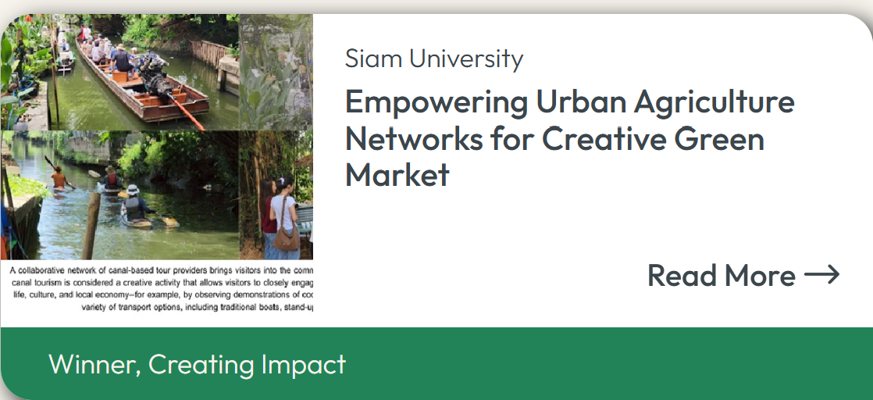
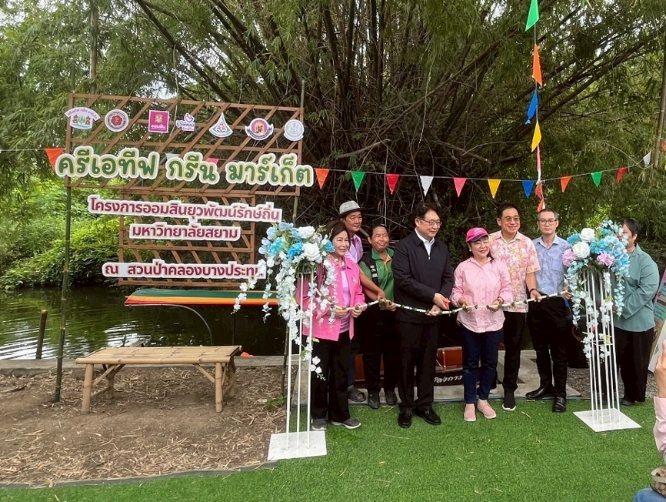
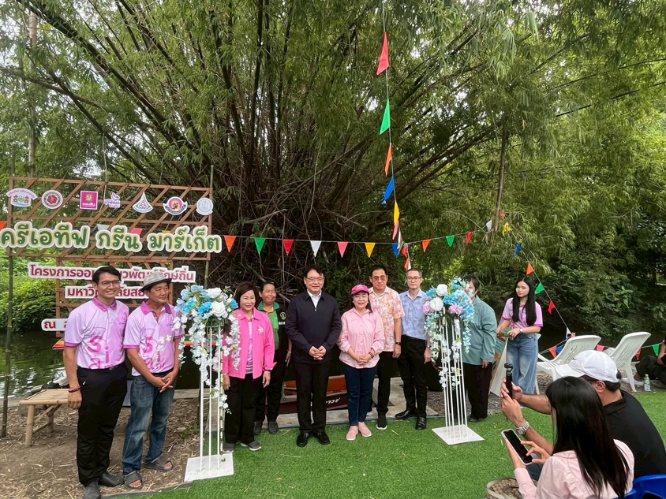
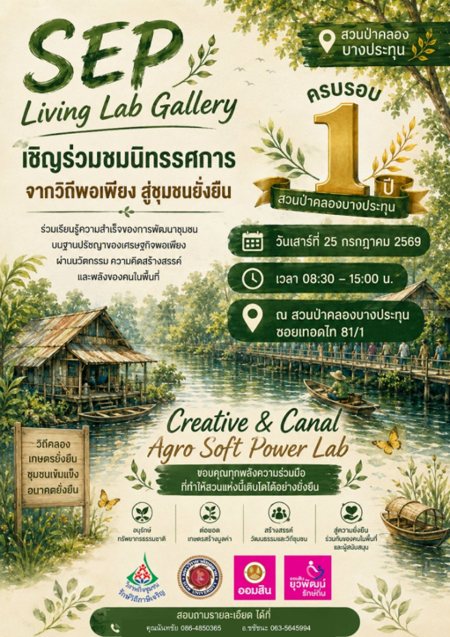
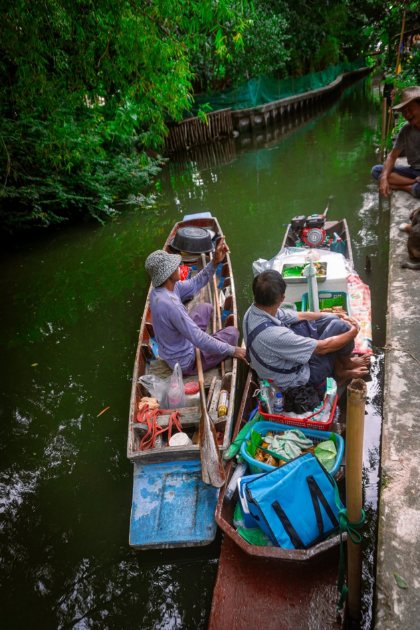
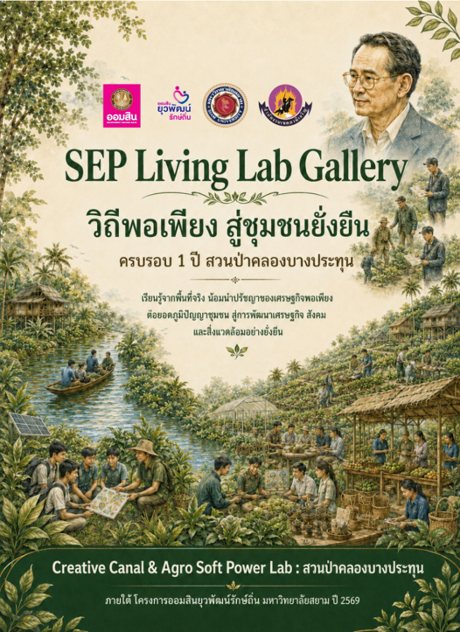
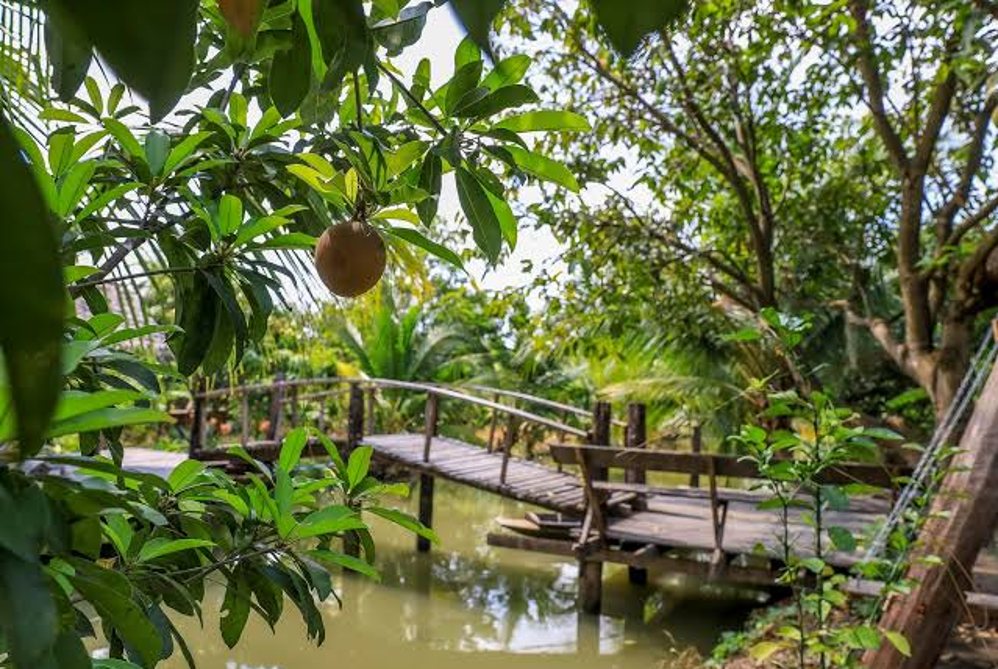
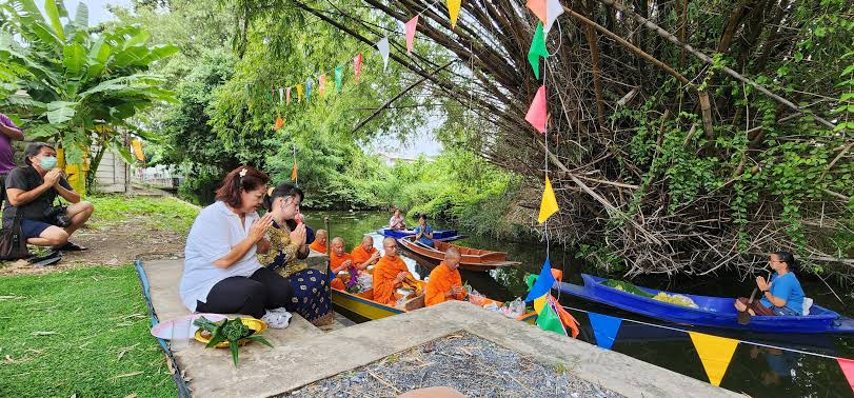
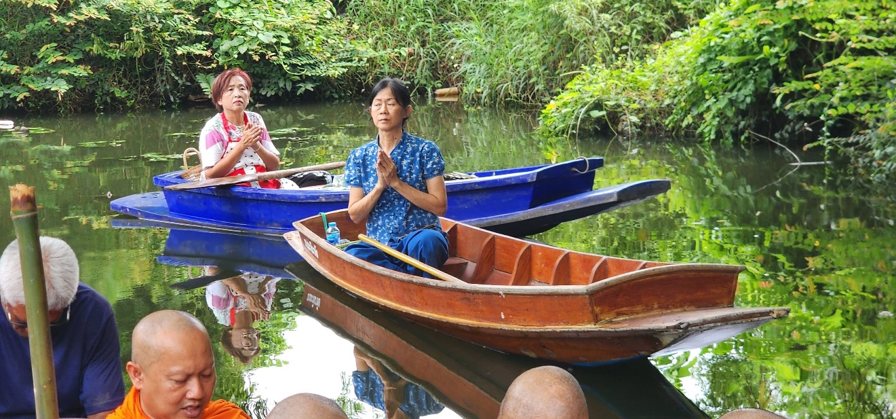
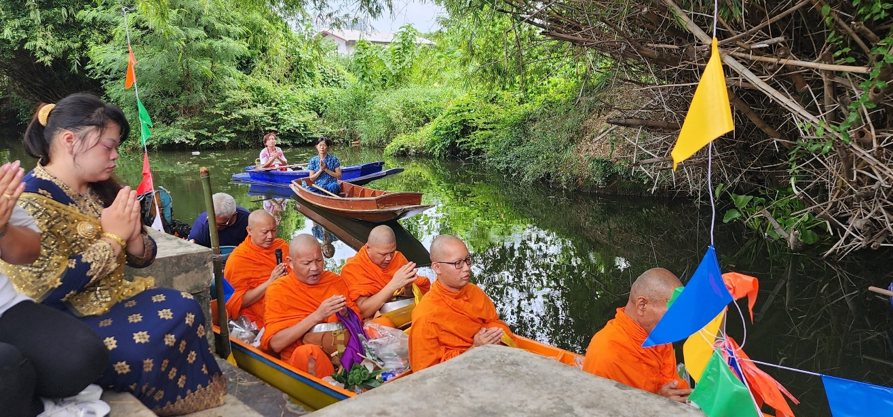
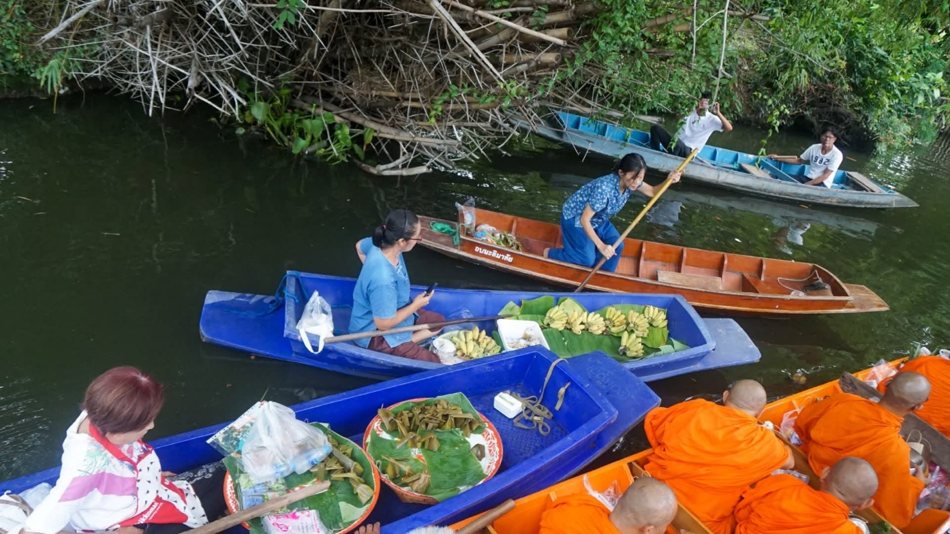
Rapid urban expansion in Bangkok is steadily eroding the city’s urban agricultural land, its cultural heritage, and the traditional canal-side ways of life that have long defined many of its communities. As farmland gives way to development, communities lose not only productive space but also the local knowledge, livelihoods, and social ties that have been passed down through generations. The “Empowering Urban Agriculture Networks for Creative Green Markets” project at Khlong Bang Prathun community was developed in response to these pressures. It established a green network covering 5 rai and is guided by the principle “Community as Leader, University as Facilitator.” Under this approach, community members set the direction and lead decision-making. The university provides knowledge, resources, and coordination to support their goals rather than imposing solutions from outside. The project builds on a decade of Siam University’s community development work in Phasi Charoen District. Each year, the university sends more than 250 faculty members and students into the area to assess community needs and map local resources and assets. Since 2023, the findings from this fieldwork have helped strengthen connections among local farmers, residents, and entrepreneurs. Over time, these connections have grown into a robust network, which has developed into the Creative Green Market. The market now supports 17 local entrepreneurs: 11 market vendors and 6 waterway operators. Together, they earn between 3,110 and 4,220 USD per month from market activities and between 2,000 and 3,440 USD per month from canal tourism. These figures show that the initiative provides a meaningful and diversified source of income for participating households. The project has created an integrated “Agriculture–Tourism–Learning” ecosystem in which urban farming, canal-based tourism, and community learning reinforce one another. Agricultural produce supplies the market, the market draws visitors to the canals, and both serve as settings for learning about local heritage and sustainable living. The initiative is sustained by trust, strong community bonds, and voluntary participation rather than by external funding or direction. This foundation allows it to preserve canal-side heritage while giving the community a lasting basis for economic and cultural sustainability.