Leading University Creating Innovation for Sustainable Future
SIAM UNIVERSITY · SUSTAINABLE DEVELOPMENT GOALS
Goal 17: Partnerships for the Goals
Goal 17: Revitalize the global partnership
for sustainable development
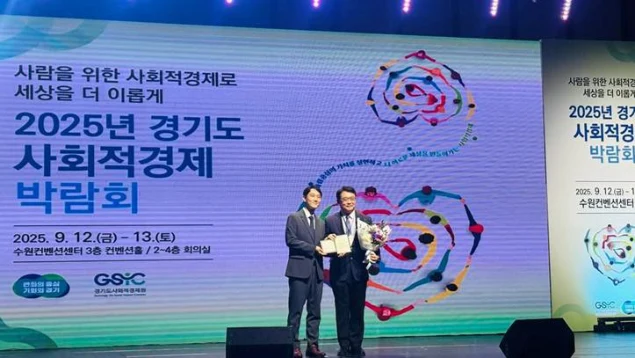
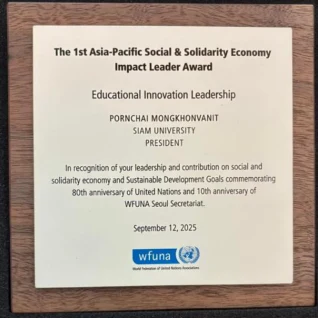
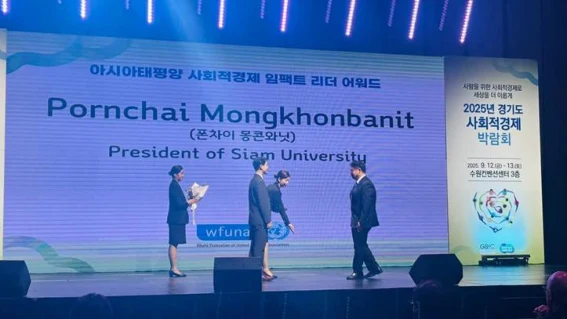
Asia-Pacific Social and Solidarity Economy Impact Leader Award
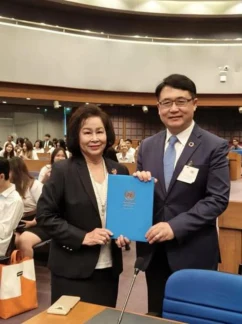
President Dr. Pornchai Mongkhonvanit and Siam University were selected as the recipients of the prestigious 1st Asia-Pacific Social and Solidarity Economy Impact Leader Award (APSEILA) in the category of Educational Innovation Leadership. This honor was presented by the Secretary-General of the World Federation of United Nations Associations (WFUNA), commemorating the 80th Anniversary of the United Nations. Under his leadership, Siam University has become a beacon of innovation and impact in higher education—championing global collaboration, sustainability, and digital transformation. The university’s pioneering Living Lab approach, which integrates academic curriculum with real-world experience, has set a new standard for educational institutions across the Asia-Pacific region. In recognition of his visionary leadership in advancing Social Economy and SDG Education, particularly SDG 11 – Sustainable Cities and Communities, the President was also appointed a Member of the Advisory Committee on Social Economy at the WFUNA Asia-Pacific Office.
Education for the SDGs
Driving government SDG policy
Siam University offers quality degree and non-degree programs at undergraduate and graduate levels, which are drivers of Thailand's 20-Year National Strategy (2018 – 2037). The strategy comprises six key strategies, namely, (1) national security; (2) national competitiveness enhancement; (3) human capital development and strengthening; (4) social cohesion and just society; (5) eco-friendly development and growth; and (6) public sector rebalancing and development. We have administered a survey since 2020. In 2025, it was found that 2,082 out of 2,300 courses were relevant to one or more national strategies. Most of the courses were related to National Strategic 3 human capital development and strengthening (1,554), followed by National Strategic 2 national competitiveness enhancement (1,370), National Strategy 4 social cohesion and just society (479); National Strategy 5 eco-friendly development and growth (399), National Strategy 6 public sector rebalancing and development (151), and National Strategy 1 national security (137), respectively. Interestingly, it is noteworthy that the pattern of course offerings is quite the same since 2022, that is, most of the courses are relevant to National Strategic 2 national competitiveness and National Strategic 3 human capital development and strengthening.
Courses Related to National Strategies
1800
1600
1400
1200
1000
800
600
400
200

Integration of SDGs in academic programs
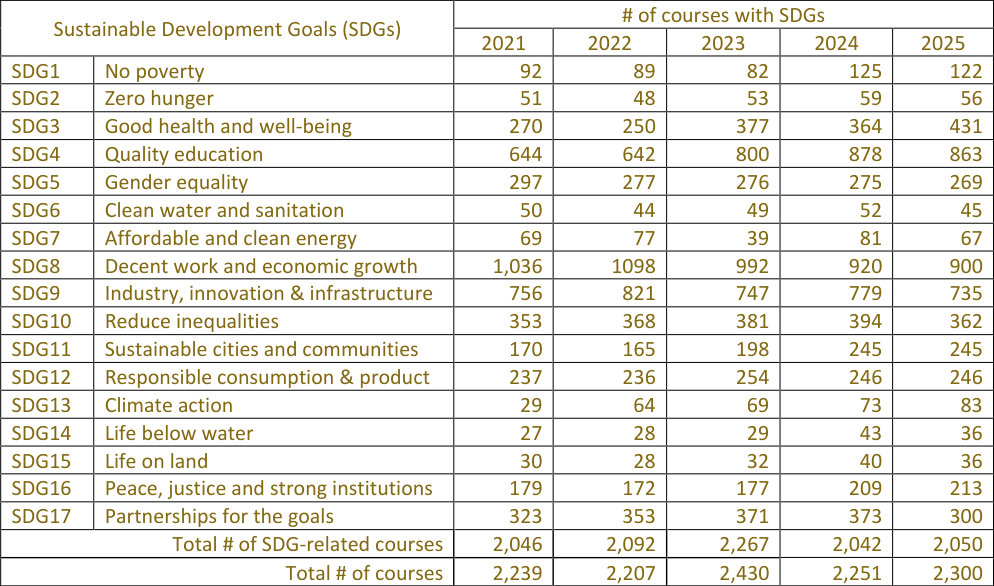
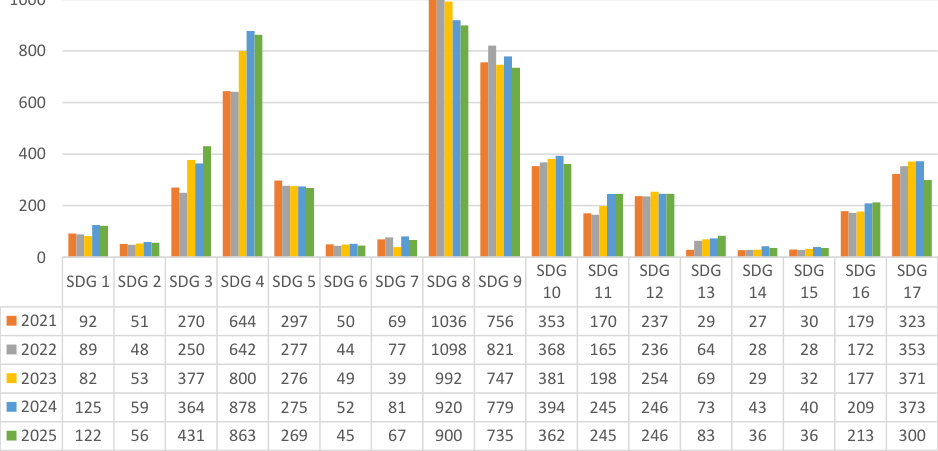
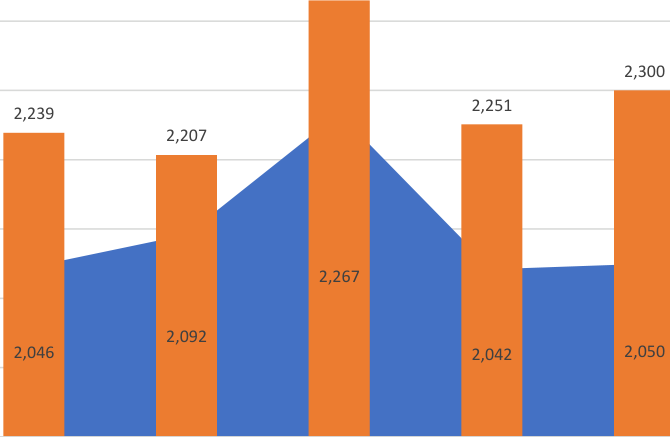
To assure all curricular were revised since 2023 to support the reinventing goal of Strategic Group 2 “Technology and Innovation University” and implement “Action for the Goals” policy, the University encourages all academic activities to integrate SD and SDGs and promote real-life experiences through the living learning lab approach, and ensure that at least 75% of all courses offered shall promote sustainability literacy - awareness, knowledge, competences, participation. All faculties have been working on revising their course content and learning outcomes accordingly. Siam University has been surveying since 2020 to study the integration of SDGs in all academic programs. The major changes were in 2024 when all programs of study revised their courses. In the August 2024 survey, it was found that 2,042 out of 2,251 courses, or 90.72% have integrated one or more SDGs. The highest number of courses integrated SDG8 Decent work and economic growth, followed by SDG4 Quality education and SDG9 Industry, innovation & infrastructure (920, 878, 779, respectively). In 2025, a new program in Optometry was opened. The survey in August 2025 revealed that 2,050 out of 2,300 courses, or 89.13% have integrated 1 or more SDGs in their content and learning activities. The highest number was in SDG 8 Decent work and economic growth (900), followed by SDG 4 Quality education (863), SDG 9 Industry, innovation & infrastructure (735), SDG 3 Good health and well-being (431), and SDG 10 Reduce inequalities (362). The SDGs that were integrated the least were in the environment dimension –SDG 14 Life below water (36), and SDG 15 Life on land (36) (see Table below). Number of courses with SDGs 2021-2025
Integration of SDGs in courses offered 2021-2025
1200
Comparison of the total number of SDG-related courses and the total number of courses 2021-2025
2,500
2,430
2,400
2,300
2,200
2,100
2,000
1,900

University Sustainability Literacy Test (Siam-U SULI Test)
We have administered the Siam-U sustainability literacy test covering knowledge, competence, and participation on SDGs since February 5-6, 2022. The latest survey was collected from 1,015 newly graduates (out 1,147 total graduates) on July 27, 2025. The results are as follows. Sustainability Knowledge. We changed the questionnaire from respondents’ perceived knowledge in each SDGs into 10 multiple-choice questions about SDGs, with the highest score of 10.
Score (out of 10)
Level of Understanding Description
9–10 Excellent Demonstrates a correct and comprehensive understanding of the SDGs.
7–8 Good Shows overall understanding but lacks some specific details.
5–6 Satisfactory Has basic understanding but cannot fully connect the concepts.
0–4 Needs Improvement Does not yet demonstrate a true understanding of the SDGs.
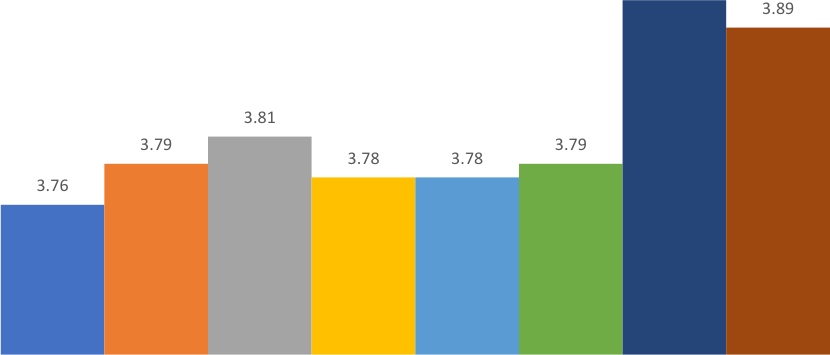
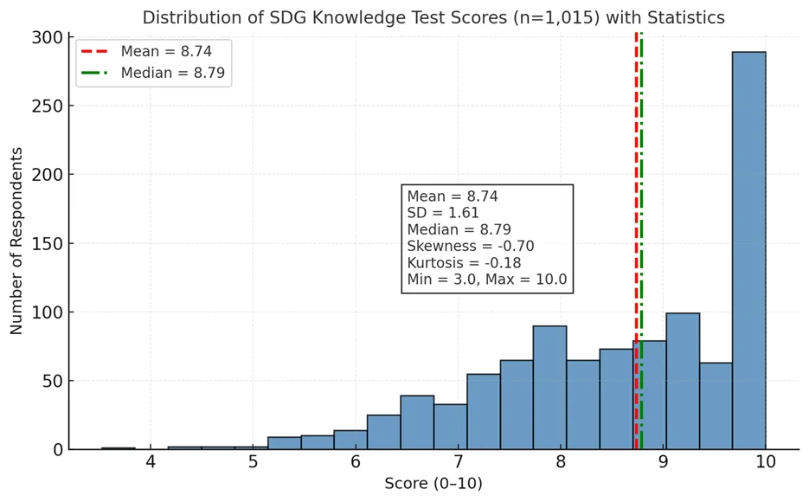
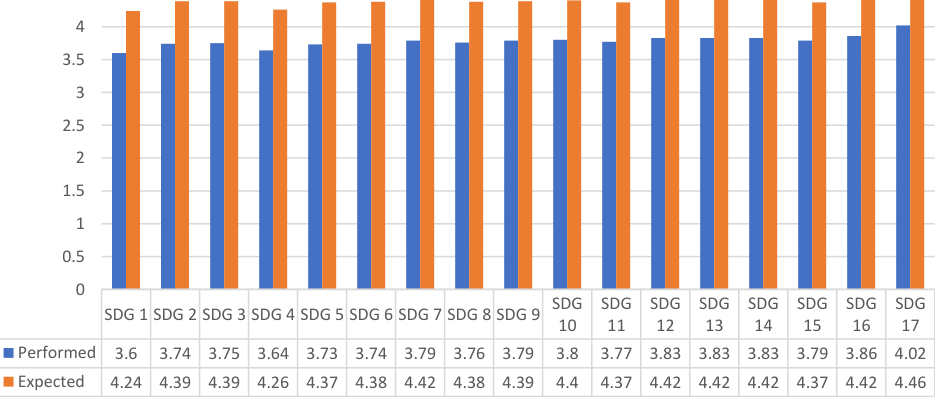
The results of the SDG knowledge test (n = 1,015) revealed a high level of understanding among respondents. The Mean score was 8.74 (SD = 1.61), with scores ranging from 3.0 to 10.0. The median value (≈8.8) was close to the mean, indicating a relatively symmetrical distribution. Overall, the findings imply that the majority of respondents demonstrated strong knowledge and awareness of the SDGs. The concentration of high scores (8– 10) may indicate effective exposure to sustainability education or prior engagement with sustainability initiatives. The slight ceiling effect observed further supports the notion that participants generally possess a comprehensive understanding of SDG principles, reflecting the successful dissemination of sustainability knowledge within the target group. Sustainability Competences. Graduates possessed high levels of all 8 sustainability competences (3.51–4.50). They demonstrated strong Interpersonal Competence (3.91) and Intrapersonal Competence (3.89). The lowest score was Systems-Thinking Competence (3.76), while other competences (Futures, Values, Strategic, Implementation, Integration) scored between 3.78 and 3.81. In summary, graduates possess high levels of sustainability competences, especially in personal and social domains. It was recommended that further emphasis on systems thinking and strategic integration can help strengthen their capacity to address complex sustainability challenges. A comparison showed that the expected levels of sustainability competences were higher than the present levels across all eight areas. Participation in Sustainability. The graduates participated in all 17 SDGs at high levels (3.51–4.50). Strongest engagement was in SDG 17 Partnerships for the Goals (4.02), followed by SDG 16 Peace, Justice & Strong Institutions (3.86), SDG 12 Responsible Consumption (3.83), SDG 13 Climate Action (3.83), SDG 14 Life Below Water (3.83). Graduates are generally aware and involved in sustainability activities, with particular strength in partnerships and environmental action. The levels of expected participation in all 17 SDGs were higher than the actual levels.
Sustainability Knowledge of 2025 Graduates
Key Sustainability Competences of 2025 Graduates
Key Sustainability Competences
3.95
3.91
3.9
3.85
3.8
3.75
3.7
3.65
Systems-Thinking Competence Futures-Thinking Competence Values-Thinking Competence
Strategic-Thinking Competence Implementation Competence Integration Competence
Interpersonal Competence Intrapersonal Competence
Note: 4.51 – 5.00 = highest level, 3.51 – 4.50 = high level, 2.51 – 3.50 = moderate level, 1.51 – 2.50 = low level, 1.00 – 1.50 = very low level
Comparison of the Present and Expected Level of Sustainability Competences of 2025 Graduates
Comparison of Present and Expected Levels of Sustainability Competences
4.5
4.4
4.3
4.2
4.1
4
3.9
3.8
3.7
3.6
3.5

Note: 4.51 – 5.00 = highest level, 3.51 – 4.50 = high level, 2.51 – 3.50 = moderate level, 1.51 – 2.50 = low level, 1.00 – 1.50 = very low level Comparison of the Actual Level and Expected Level of Participation in SDGs of 2025 Graduates
Comparison between actual and expected level of Participation in SDGs
5
4.5
Note: 4.51 – 5.00 = highest level, 3.51 – 4.50 = high level, 2.51 – 3.50 = moderate level, 1.51 – 2.50 = low level, 1.00 – 1.50 = very low level
Education for SDGs in the wider community Mentor University Project: Lower Central Region Network
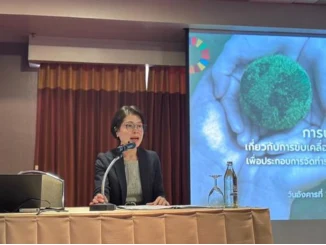
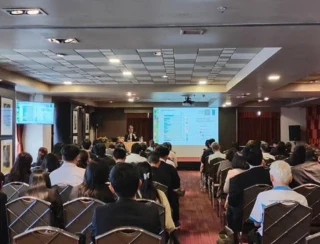
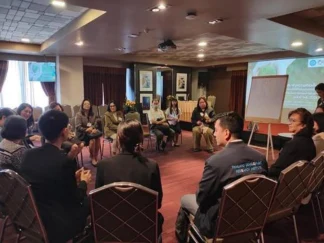
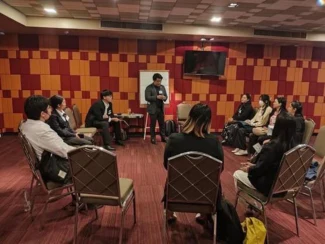
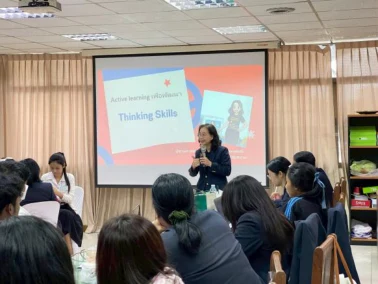
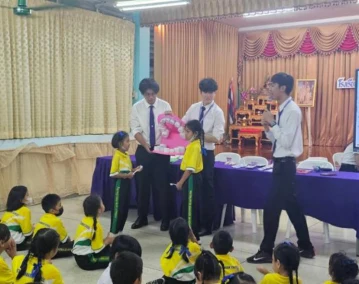
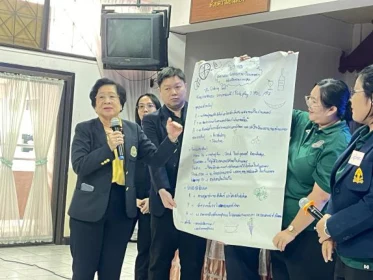
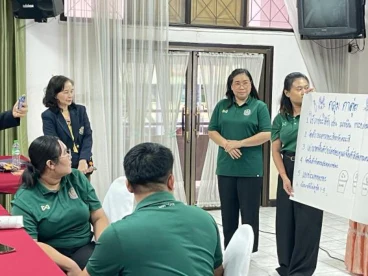
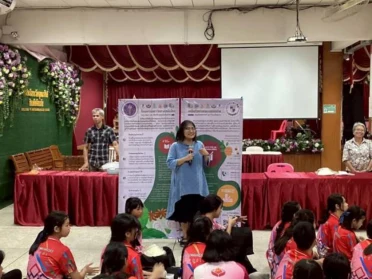
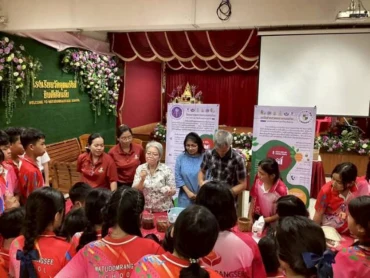
Besides our regular activities in the Government Savings Bank under the Siam GSB “Youth for Development” project and other initiatives with support from the Thai Health Promotion, such as the “Time Bank Project,” Siam University also organizes our annual “Mentor University Project” as part of the activities of the Lower Central Region Network. Under this framework, Siam University has continued to play an active role in strengthening educational development, teacher professional growth, and community engagement through collaborative activities with local schools. In 2025, the Graduate School of Education organized a series of capacity-building workshops on Active Learning pedagogy for teachers from network schools - Session 1: September 29, 2025 – at Chai Chimplee Witthayakhom School; Session 2: September 30, 2025 – at Wat Rang Bua School; and Session 3: October 4, 2025 – at Wat Pradu Nai Songtham School. Each session emphasized practical, hands-on approaches to designing and implementing Active Learning in classrooms. The program aimed to enhance teachers’ instructional competencies, promote learner-centered methodologies, and encourage reflective teaching practices. These professional development initiatives not only improved pedagogical skills among participating teachers but also strengthened the collaboration between the university and basic education institutions within the lower central region network. In parallel, the Faculty of Communication Arts, Siam University conducted an innovative learning activity entitled “Kid Herb Lab” on August 29, 2025, at Wat Udom Rangsee School. The project aimed to promote students’ appreciation of local wisdom in Thai herbal knowledge, integrating creative communication and experiential learning to inspire environmental awareness and entrepreneurship. The activity was divided into two main learning components: 1) Herbal Learning Room – implemented in a game-based format (snake and ladder) featuring 60 herbal knowledge cards, designed to help students learn about local herbs, their properties, and their applications in daily life, 2) Herbal Laboratory – conducted in collaboration with the Sirin and Friends Community Group, where students participated in hands-on workshops to produce herbal inhalers, apply scientific knowledge, and practice basic product formulation. A third session, scheduled for November 2025, will extend the project’s outcomes by providing training in product packaging, logo design, and labeling, enabling students to transform their herbal creations into market-ready products. This phase aims to nurture creative thinking, entrepreneurial skills, and sustainable value creation among students.
Sustainable Career Development for Communities Project
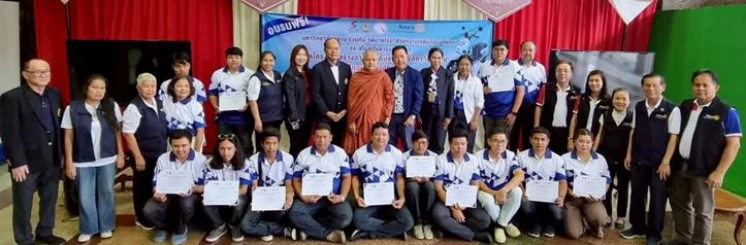
An example of a 2025 project is the “Electric Motorcycle Maintenance Workshop”. A MoU was signed between four partner organizations—Wat Nai Rong, Bangkok Noi District Office, Rotary Club of Yannawa, and Siam University—to launch the “Sustainable Livelihood Development for Communities” project. The initiative aims to promote vocational education for youth and unemployed individuals in the community, focusing on practical skills such as electric motorcycle maintenance, electrical work, solar cell technology, food services, and health. These skills align with future technological trends and support long-term income generation. The collaboration reflects a shared commitment to enhancing community capacity, improving quality of life, and fostering sustainable economic growth.
Mentor University Project: Lower Central Region Network
Sustainable Career Development for Communities Project
Partnerships for the Goals: Local and National Sustainability Engagement
Under the UPC4Local SDGs (University-Public/Private-Community for local SDGs) model, Siam University has been working with our partners in many sustainability initiatives. Our active partners include SUN Thailand, MHESI, Government Savings Bank, Thai Health Promotion Foundation, the Golden Jubilee Museum of Agriculture Office (Public Org.), Association for University Social Engagement Thailand (ENGAGEMENT Thailand or EnT), Bangkok Metropolitan Authority (BMA), Phasi Charoen District Office, and 54 communities in the area.
SUN Thailand (Sustainable University Network of Thailand)
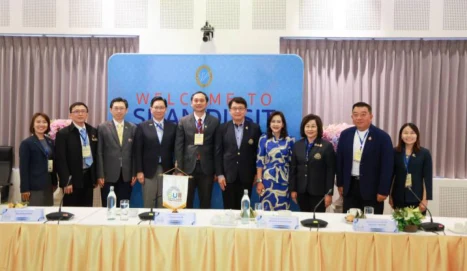
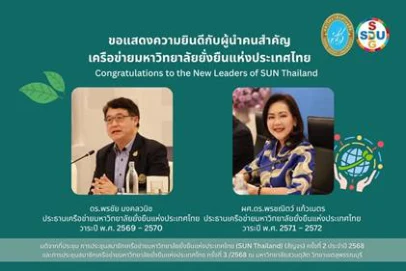
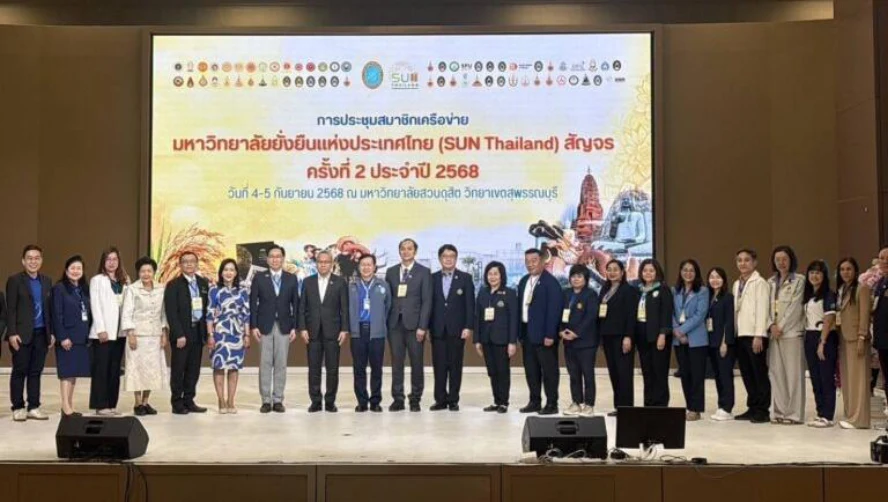
Siam University is an active member of SUN Thailand since 2017. At the meeting on the Network in September 2025, Dr. Pornchai Mongkhonvanit was elected the President of SUN Thailand. The term will start in February 2026 and continue until 2027. We will be the first private university to ever elected President. In the same event, Assist. Prof. Dr. Pornchanit Kaew-Nate, Vice President in Academic and Foreign Affairs and Chairperson of the Committee for SDGs, Suan Dusit University was elected Vice President. https://sunthailand.net/th, https://siam.edu/
BMA and the Phasi Charoen District Development Network
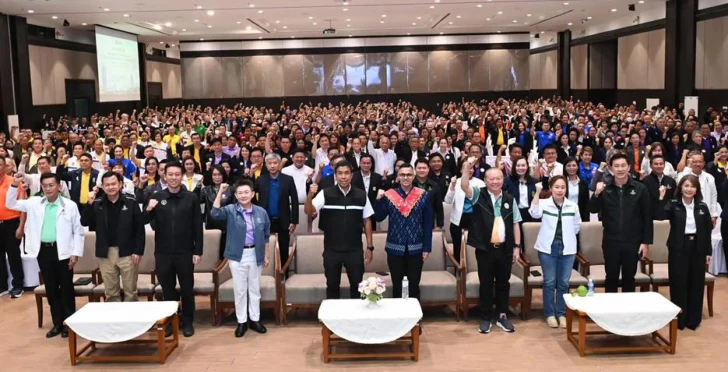
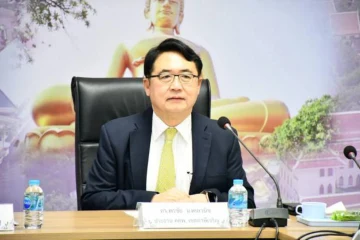
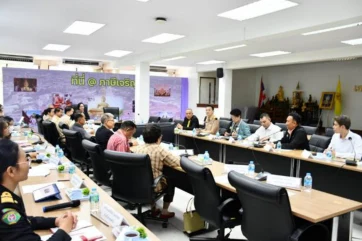
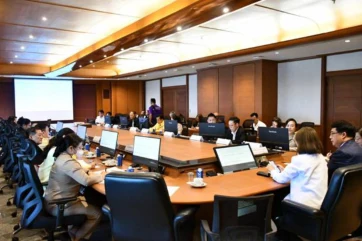
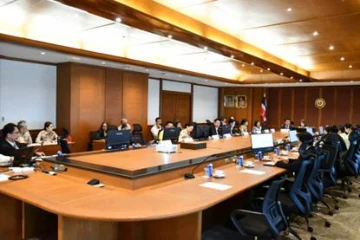
In the capacity of Chairperson of the District Participatory Development Steering Committee (DPDSC), Dr. Pornchai Mongkhonvanit, President of Siam University, has initiated many projects. The DPDSC initiative— aligned with the Bangkok 20-Year Development Plan (Phase 3, 2023–2027) and BMA Strategic Plan 2024, Strategy 5: Promoting Participatory Urban Democracy—aims to enhance cooperation between government agencies, academia, the private sector, and local communities in six key areas: economic, social, and quality of life development; environmental sustainability and green space expansion; education, technology, and lifelong learning; infrastructure and traffic management; cleanliness, order, and safety; and other context-specific local priorities. Through these collaborative efforts, Siam University continues to promote community-based innovation, civic engagement, and sustainable urban development, in alignment with Bangkok’s long-term vision for an inclusive and participatory metropolis.
International Sustainability Engagements
Siam University strengthens our global partnerships and advances sustainability and SDG initiatives through active participation in international networks. Examples of our key partners are ISCN (International Sustainable Campus Network), with which we exchange and share best practices in their conferences and workshops, as well as 2 Communities of Practice - Campus as a Living Lab and Sustainability Education; IAU (International Association of Universities), in which we participate in Global Cluster on Higher Education and Research for Sustainable Development (HESD); SDSN (Sustainable Development Solutions Network) and SDG Move, participate and share our experiences in sustainability activities; MCO (Magna Charta Observatory) which Prof. Dr. Chanita Rukspollmuang was appointed a MCO Research Committee; and 2025 IWGM (International Workshop on GreenMetric), Professor Dr. Chanita served as a speaker on “Strengthening the 3C Partnership for Sustainable District.” Some highlights of 2024-2025 engagement are as follows.
Declaration of Intent for Sustainable Development at the United Nations
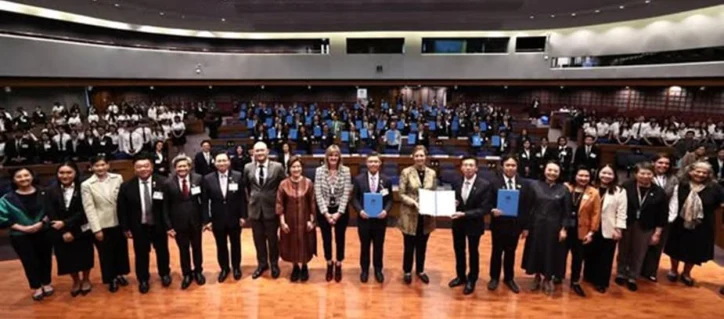
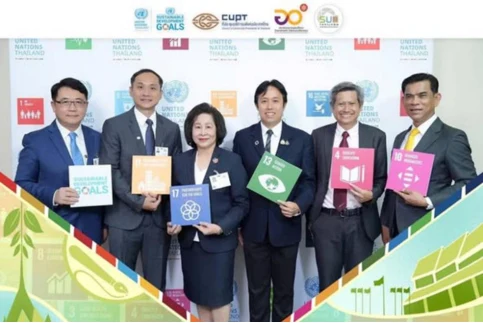
Siam University, one of the 59 current members of the Sustainable University Network of Thailand, led by President Dr. Pornchai Mongkhonvanit, participated in the signing of the Declaration of Intent for Sustainable Development in collaboration with the United Nations (UN) on November 13, 2024. The signing ceremony was also attended by Professor Emeritus Dr. Chanita Rukspollmuang, Vice President of Siam University, in her capacity as a member of the Executive Committee of the Sustainable University Network of Thailand.
Partnership with a member of the BIMSTEC Summit
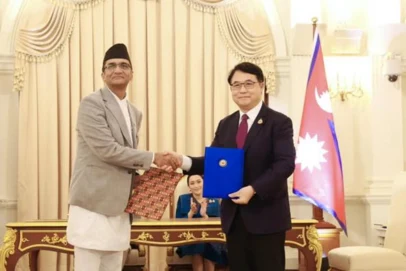
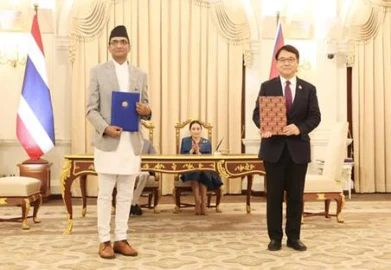
On April 2, 2025, a prestigious and honorable signing ceremony was held between Kathmandu University Vice Chancellor Dr. Prof. Achyut Wagle with Siam University President Dr. Pornchai Mongkhonvanit. This ceremony was presided over by Thai Prime Minister Paetongtarn Shinawatra and by Nepal Prime Minister K. P. Sharma Oli. This was the first official partnership between Nepal and Thailand during the BIMSTEC summit. The MoU partnership is under climate change, sustainable development, environmental and sustainable energy, food technology, hospitality, biomedical engineering, and clean energy, and other renewable including hydrogen technology at undergraduate and master's level. The BIMSTEC Summit is the supreme decision-making body of the Bay of Bengal Initiative for Multi-Sectoral Technical and Economic Cooperation, which includes Bangladesh, Bhutan, India, Myanmar, Nepal, Sri Lanka, and Thailand. The most recent summit, the 6th, was held in Bangkok, Thailand, from April 2–4, 2025, and concluded Thailand's chairmanship.

Strategic Meeting of UN-Accredited NGOs Hosted by Siam University
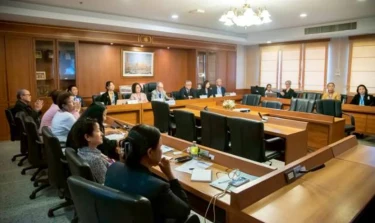
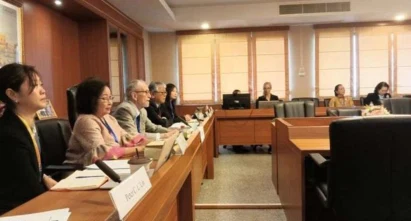
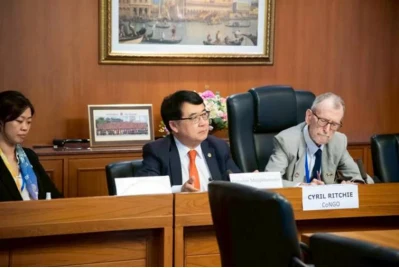
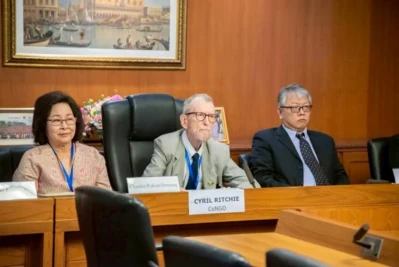
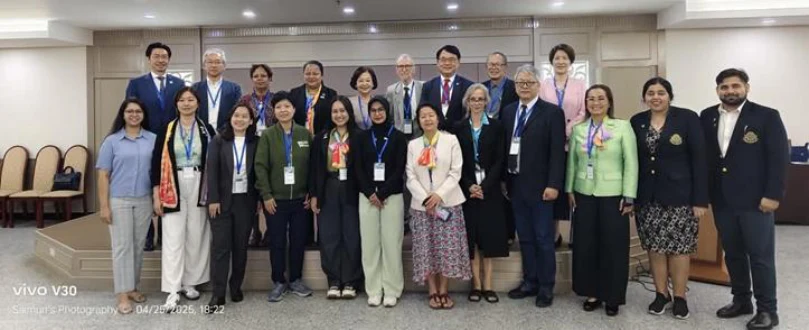
Siam University has the honor of hosting a strategic meeting of the Conference of Non-Governmental Organizations in Consultative Relationship with the United Nations (CoNGO), an independent, international membership association founded in 1948, the year of the Universal Declaration of Human Rights. The CoNGO has organized a Regional Committee in Asia-Pacific (RCAP) Session since 2017. The latest meeting on April 25- 26, 2025, brought together representatives from various UN-accredited NGOs to discuss the roles and collaborative strategies of their respective organizations in advancing the 2030 Agenda for Sustainable Development. The discussions aimed to strengthen cross-sectoral partnerships and align local efforts with global development goals. Professor Emeritus Dr. Chanita Rukspollmuang, Vice President, spoke alongside international experts, emphasizing the critical role of academic institutions in fostering sustainable collaboration between the education sector and civil society. The session also featured knowledge sharing and policy dialogues, reinforcing Siam University’s commitment to sustainable development and global engagement.
Student Leadership Camps on SDGs
Greening-with-STI Bootcamp
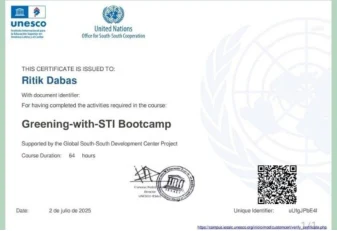
Siam University actively participated in the Greening-with-STI Bootcamp, a 16-week capacity-building program launched by the South-South University Cooperation Network (SUCN), co-initiated by UNESCO IESALC and the United Nations Office for South-South Cooperation (UNOSSC). The bootcamp focuses on leveraging science, technology, and innovation to develop sustainable solutions, particularly in higher education and community contexts. It is designed to empower students and higher education stakeholders as agents of sustainable development by engaging participants from across the Global South in co-designing STI-based solutions aligned with SDG 13 (Climate Action) and its interlinkages with SDGs 4, 7, 9, 11, 12, and 17. Through workshops, coaching, and knowledge exchange, the program enhanced leadership, innovation, and problem-solving skills while promoting institutional and community-level climate action. As a host and partner university, Siam University supported interdisciplinary student teams and faculty members in developing practical, sustainability- focused STI solutions. The University’s involvement underscores its commitment to advancing sustainability in higher education and fostering regional collaboration across the Global South.
WFUMA Action Camp 2025
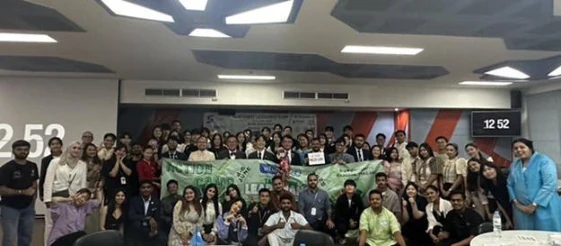
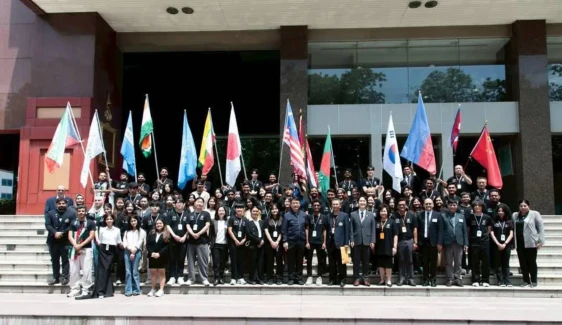
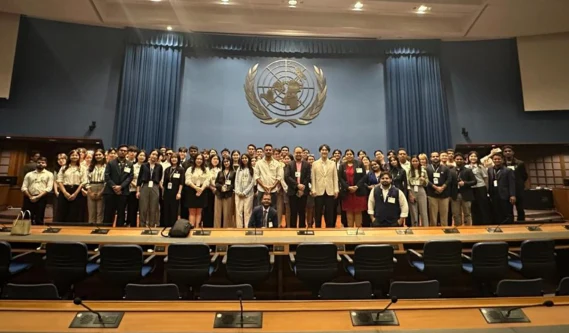
Siam University hosted the 4th Student Leadership Camp for Asia Cooperation Dialogue (ACD-UN Camp) in collaboration with the World Federation of United Nations Associations (WFUNA), focusing on SDG 11. This event aimed to promote SDG 11 through youth-led initiatives that highlighted sustainable urban living and environmental responsibility. The camp welcomed 62 student delegates from South Korea, P.R. China, Japan, India, Thailand, Malaysia, Myanmar, the Philippines, Bangladesh, Nepal, Taiwan, and Kuwait. During 04th -07th June, Youth Action Labs, urban sustainability tours, UN expert mentoring, and capacity development in leadership were organized. Participating students were divided into eight diverse teams with the support of assigned mentors. During the three days, these teams created conceptual blueprints for local action plans based on the “living lab” model. Their efforts were rooted in actual urban challenges and focused on themes of global citizenship, sustainable development, and interregional collaboration. The timing coincided with the broader initiatives of the Asia Cooperation Dialogue University Network, serving as a youth pre-event to the ACD Summit. Now entering its 23rd year, the ACD Summit was initiated in 2002 through the efforts of former Thai leaders Thaksin Shinawatra and Dr. Surakiat Sathirathai. With the support of the Ministry of Foreign Affairs, students visited the Thailand International Cooperation Agency (TICA), participated in expert lectures, and attended exhibitions focused on the Sustainable Development Goals (SDGs) and the Sufficiency Economy Philosophy (SEP). Delegates also toured the United Nations Economic and Social Commission for Asia and the Pacific (UNESCAP) and explored an active urban regeneration site in central Bangkok, which served as contextual inspiration for team project development. The final action plan presentations took place on 6 June 2025. This partnership amplifies Siam University’s regional impact and demonstrates its commitment to global citizenship and practical SDG engagement.
WFUMA Action Camp 2025
Greening-with-STI Bootcamp
EU-Funded Project Participation
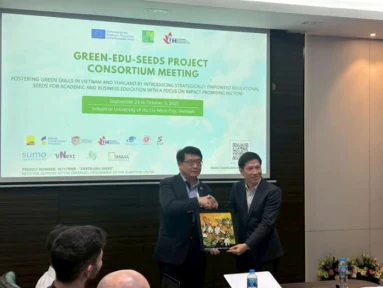
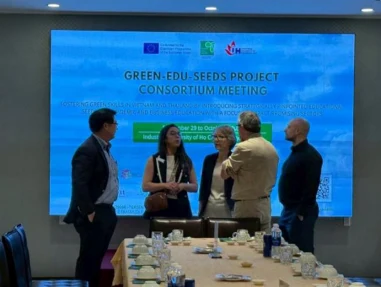
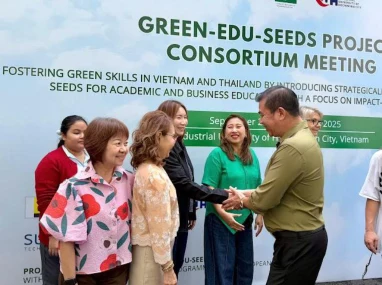
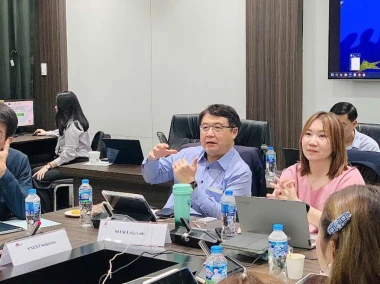
Erasmus+ Green-Edu-Seeds – Fostering Green Skills in Higher Education
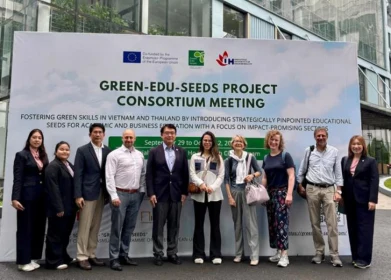
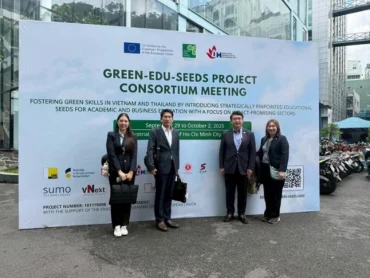
As part of its ongoing commitment to sustainability and international collaboration, Siam University has been selected as one of the Thai higher education partners in the EU-funded Erasmus+ Capacity Building in Higher Education (CBHE) project, Green-Edu-Seeds (Project No. 101179098). The project, officially titled “Fostering Green Skills in Vietnam and Thailand by Introducing Strategically Pinpointed Educational Seeds for Academic and Business Education with a Focus on Impact-Promising Sectors,” is led by the University of Graz (Austria) in partnership with institutions from Austria, Germany, Italy, Vietnam, and Thailand. The Green-Edu-Seeds initiative seeks to enhance green competencies and sustainable business practices in higher education, focusing on key sectors such as agriculture, food production, and tourism. The main aim of the project is to address the need for a holistic concept for green business skills by introducing strategically pinpointed seeds of training and training elements for academic and business education, with a focus on impact- related sectors of tourism and agriculture. With this overarching aim, the project is in line with the general objectives of the 2024 CBHE (Capacity-Building in Higher Education), which call to improve the quality of HE and enhance its relevance for the labour market and society; improve the level of competences, skills and employability potential of students in HEIs by developing new, relevant and innovative education programs; stimulate cooperation of institutions, capacity building and exchange of good practice; and foster cooperation across different regions of the world through joint initiatives. Over three years, the consortium will co-develop 45 training modules—25 academic and 20 beyond-academic— embedding green skills and sustainability into curricula and professional development. In addition, the project will establish the “I am Green” Network of Business Incubators and Accelerators to promote green entrepreneurship and innovation. Siam University plays an integral role in the implementation of the project in Thailand by contributing academic leadership, piloting course modules, and facilitating collaboration between academia, industry, and community stakeholders. The project was officially launched on 4 March 2025 at the University of Graz, with Siam University representatives joining other partners at the consortium’s inaugural meeting. With the Green-Edu-Seeds project, the consortium will upgrade the quality of the education offered at the 4 participating Universities from Vietnam and Thailand towards urgently needed sustainable green (business) skills with pinpointed training seeds, thus clearly increasing the relevance of the academic education for society and specifically for the related selected business areas (agri-food and tourism), with an open concept to broad business sector applicability. Siam University plays a key role in implementing the project in Thailand by contributing academic expertise, facilitating pilot courses, and fostering linkages between higher education, industry, and community partners. The project officially launched on 4 March 2025 at the University of Graz, Austria, with representatives from all partner institutions participating in the kick-off meeting. Through Green-Edu-Seeds, Siam University reaffirms its commitment to advancing sustainability education, enhancing green workforce readiness, and strengthening international collaboration in support of the UN Sustainable Development Goals (SDGs).
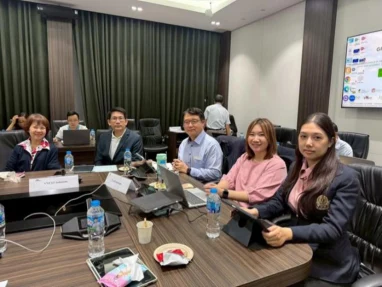
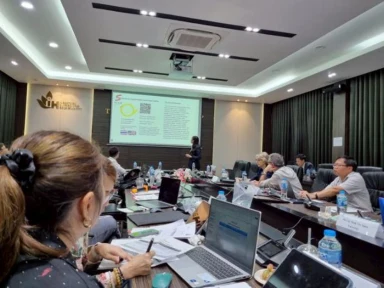
The National Consultation for Thailand’s 2025 Voluntary National Review (VNR)
On 21 January 2025, Siam University participated in the National Stakeholder Consultation on Thailand’s Sustainable Development Progress, organized by Ministry of Foreign Affairs, in collaboration with the SDG Move Research and Support Center, Faculty of Economics, Thammasat University. The consultation brought together more than 80 representatives from government agencies, academic institutions, the private sector, and civil society organizations. The objective of the consultation was to foster inclusive, multi-stakeholder engagement in the preparation of Thailand’s 2025 Voluntary National Review (VNR)—the country’s third national report on SDG implementation, to be presented at the High-Level Political Forum on Sustainable Development (HLPF) at the United Nations Headquarters in New York in July 2025. Siam University contributed to the forum by sharing insights on the integration of Education for Sustainable Development (ESD) and highlighting the critical role of higher education institutions in supporting SDG advancement at both local and national levels. The consultation served as a valuable platform for discussing key development challenges, policy recommendations, and collaborative strategies to accelerate Thailand’s progress towards achieving the 2030 Agenda.